In a bold push to slash the country’s annual dairy import bill of $1.5 billion, the Federal Government has begun importing high-yielding dairy cattle from Denmark, aiming to significantly boost local milk production.
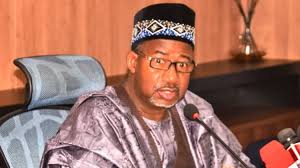
The Minister of Livestock Development, Idi Maiha, announced the development on Monday, stating that the initiative forms part of a broader strategy to double Nigeria’s milk output within five years.
“Our objective is clear and within reach we want to raise Nigeria’s annual milk production from 700,000 tonnes to 1.4 million tonnes by 2030,” Maiha said.
Despite Nigeria having a cattle population of over 20 million, the minister noted that most are indigenous breeds raised under pastoralist systems, which produce relatively low milk yields. To change this, the government is focusing on improving breed quality and livestock productivity.
According to Maiha, a pioneering Nigerian farm has already taken delivery of more than 200 dairy heifers from Denmark, signaling the start of intensified efforts to upgrade local herds through structured breeding programs.
In addition, eight new pasture varieties have been officially registered a milestone, as it marks the first time in nearly five decades that new pasture species have been recognized in the country. The government has also launched a national strategy for managing animal genetic resources, developed with support from the Food and Agriculture Organisation (FAO).
“With over 20.9 million cattle, 60 million sheep, and 1.4 million goats, we are not starting from scratch we are building on existing capacity to strengthen the dairy sector,” Maiha added.
Nigeria currently produces only about 700,000 tonnes of milk each year, far short of the 1.6 million tonnes consumed annually. This supply gap means the country imports roughly 60 percent of its dairy needs a dependency the government now hopes to reverse.