The founder of China Evergrande Group, Hui Ka Yan, has been sentenced to life in prison by a Chinese court for financial crimes linked to the collapse of the heavily indebted property giant.
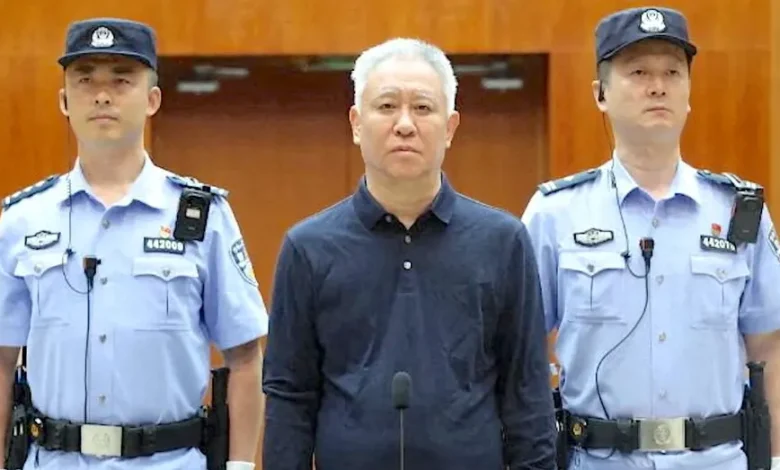
The 67-year-old former property tycoon was sentenced on Thursday by the Shenzhen Intermediate People’s Court, five years after Evergrande’s debt crisis sent shockwaves through China’s property sector and financial markets.
Hui, once one of Asia’s wealthiest men, pleaded guilty in April to eight offences, including misuse of funds, fraudulent fundraising, illegally taking public deposits, loan-related violations, securities fraud and bribery.
The court said the offences involved enormous sums of money, caused significant economic losses and inflicted serious social harm, warranting severe punishment.
Evergrande, once China’s largest property developer by sales, accumulated more than $300 billion in liabilities before defaulting on its debts. Its collapse became a major symbol of the wider crisis that has plagued China’s property market and weighed on the world’s second-largest economy.
In addition to Hui’s life sentence, the court ordered the confiscation of his personal assets. Evergrande was fined 8.82 billion yuan, while its main subsidiary, Hengda Real Estate, was fined seven billion yuan.
Five other senior executives were also handed prison sentences ranging from six to 18 years. More than 50 people have reportedly received sentences in connection with the broader Evergrande fallout.
Hui built Evergrande into a property powerhouse through rapid, debt-fuelled expansion. His personal fortune peaked at about $45.3 billion in 2017, but his wealth plunged as the company unravelled.
Evergrande was ordered into liquidation by a Hong Kong court in 2024, following years of failed efforts to restructure its enormous debt burden.
Hui’s life sentence marks one of the most dramatic personal consequences of the property crisis and underscores Beijing’s tougher approach to financial misconduct as authorities attempt to contain the fallout from the sector’s prolonged downturn.