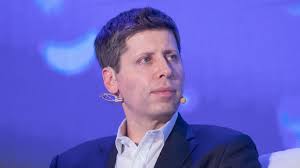
OpenAI CEO Sam Altman has revealed new details about the environmental impact of using ChatGPT, noting that each query consumes approximately 0.34 watt-hours of electricity and 0.000085 gallons of water.
In a post on X (formerly Twitter), Altman responded to growing public interest in the energy and water consumption associated with AI tools like ChatGPT. He explained that the power usage per query is comparable to what a high-efficiency lightbulb would consume in a few minutes or an oven in just over a second.
“It also uses about 0.000085 gallons of water — roughly one-fifteenth of a teaspoon,” Altman added, underscoring the relatively small environmental cost of individual interactions with the AI.
He emphasized that as data centers become more efficient and automated, the cost of delivering intelligence will continue to drop. “The cost of intelligence should eventually converge to near the cost of electricity,” he said, suggesting that advances in infrastructure could make AI increasingly accessible and sustainable.
Looking beyond the technical metrics, Altman reflected on the broader implications of rapid AI development. While acknowledging that certain jobs may disappear, he argued that the economic transformation driven by AI could open the door to unprecedented wealth and bold new policies.
“There will be very hard parts like whole classes of jobs going away,” he said. “But on the other hand, the world will be getting so much richer so quickly that we’ll be able to seriously entertain new policy ideas we never could before.”
Altman also expressed optimism about society’s ability to adapt. Although he admitted that a universal shift in social contracts may not happen overnight, he believes gradual changes will ultimately be transformative. He pointed to a unique human trait that machines can’t replicate — the capacity to care about others.
“People have a long-term important and curious advantage over AI: we are hard-wired to care about other people and what they think and do, and we don’t care very much about machines,” he noted.
As artificial intelligence continues to evolve, Altman predicted that humans would develop new aspirations, discover deeper purposes, and benefit from better tools and products. “Expectations will go up, but capabilities will go up equally quickly, and we’ll all get better stuff,” he said. “We will build ever-more-wonderful things for each other”.