The Minister of Education, Dr Maruf Tunji Alausa, has pledged to mobilise 10 million votes from Nigeria’s education sector for the re-election of President Bola Ahmed Tinubu in the 2027 presidential election.
kharo Attah, the Minister’s Special Adviser (Media and Communications disclosed this in a Statement in Abuja.
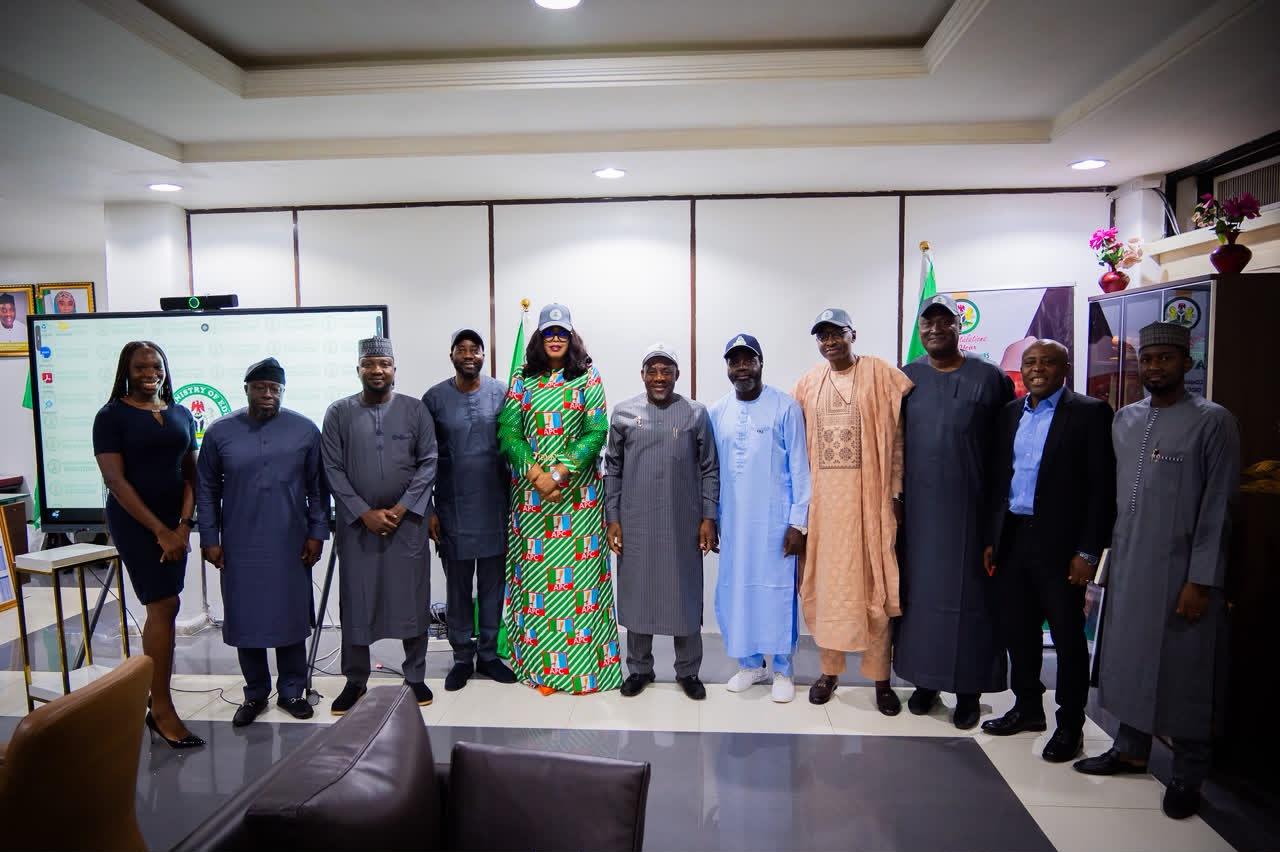
According to Attah, Alausa made the pledge on Monday at the inaugural meeting of the APC Presidential Campaign Committee Education Sector Mobilisation Working Group, where he urged members to take the campaign beyond educational institutions and into communities across the country.
The minister said the education sector, with its large population of students, teachers, lecturers, administrators, governing councils, professional bodies, counsellors and other stakeholders, was strategically positioned to deliver a significant bloc of votes for the President.
“Nigeria needs continuity. This country, this President, President Bola Ahmed Tinubu, has changed the fortunes of Nigeria. It is in our interest, and in the interest of the present and future generations, that we elect him to continue the transformative agenda he has embarked upon in the last three years,” Alausa said.
He said continuity was necessary to consolidate the reforms of the Tinubu administration, strengthen the economy, attract investment and create greater opportunities for Nigerians.
According to him, the reforms in the education sector also require sustained implementation to achieve their desired impact on human capital development and national economic growth.
Alausa charged members of the Working Group to engage their respective constituencies and build broad-based support for Tinubu ahead of the 2027 election.
He said the objective was to transform the education sector’s nationwide reach into a coordinated electoral effort capable of delivering 10 million votes for the President.
“If we work hard, we should be able to mobilise 10 million votes from the education sector alone for Mr President,” the minister said.
The Working Group is chaired by Alausa, while the Minister of State for Education, Prof Suwaiba Said Ahmad, serves as Deputy Chairman. The Executive Secretary of the Almajiri and Out-of-School Commission, Dr Muhammad Sani Idris, is the Secretary.
Other members include the Senior Special Assistant to the President on Student Engagement, Comr. Sunday Asefon; Special Adviser to the Minister of Education on Political Engagement, Adedeji John Demola; National Coordinator, Special Programmes Operations and Implementation Unit, Adebayo Onigbanjo; Registrar, Teachers Registration Council of Nigeria, Dr Ronke Soyombo; and Executive Secretary, National Mass Education Commission, Prof Muhammad Dahiru Shuni.
The committee also includes the Executive Secretary of the Nigerian Educational Research and Development Council, Prof Salisu Shehu; Senior Special Assistant to the President on Technical and Vocational Education and Training, Dr Abiola Arogundade; National Programme Manager, Home Grown School Feeding, Dr Princess Adebowale; Senior Special Assistant on Education and Youth Engagement, Dare Ojepe; and Senior Special Assistant on School Feeding, Yetunde Adeniji.
To enhance coordination, the Working Group has created sub-groups covering universities, polytechnics, colleges of education, teachers, governing councils, Senior Special Assistants on Education, TVET, counsellors and other stakeholder groups.
Alausa said presidential appointees within the education sector would work with the core Working Group and the various sub-groups to coordinate activities and extend the campaign across the sector.
He urged members to approach the assignment with commitment and teamwork, stressing that achieving the 10-million-vote target would require sustained engagement and the collective effort of stakeholders.
The minister also reaffirmed his personal commitment to Tinubu’s re-election, saying he would drive the sector’s campaign effort and work with established structures to pursue the 10-million-vote target.
He said the ultimate objective was to ensure continuity in the reform process, consolidate economic and institutional gains and support sustained improvements in human capital development and economic opportunities for Nigerians.