Trump’s G20 Snub Sparks Diplomatic Tension with South Africa Over Land Reform, Race Claims

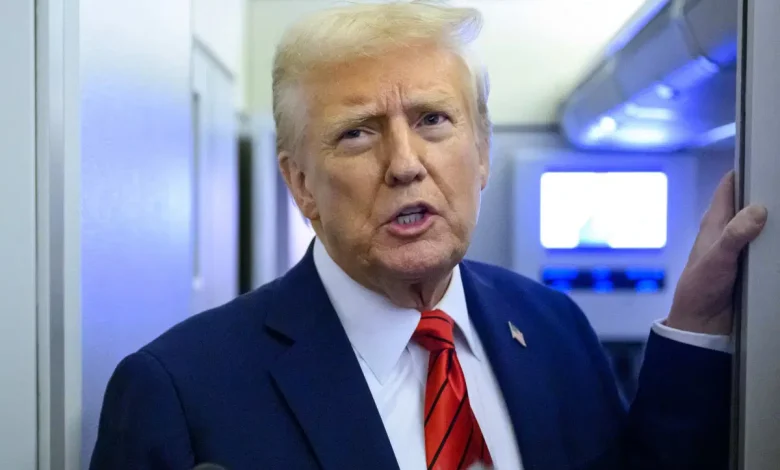
U.S. President Donald Trump has sparked fresh diplomatic tension with South Africa after publicly stating he would not attend the upcoming G20 leaders’ summit in the country, while doubling down on widely discredited claims of anti-white violence and land seizures. In a late-night post on Truth Social, Trump questioned whether the United States should participate in the summit and repeated inflammatory rhetoric about an alleged “genocide” of white farmers in South Africa.
“Is this where we want to be for the G20? I don’t think so!” Trump wrote, referencing unverified claims of farmland being taken from white farmers and portraying South Africa as a hostile environment for whites.
Trump’s remarks drew swift condemnation from South African political figures and reignited controversy around his previous interventions on the country’s sensitive land reform policies. The South African presidency, via a spokesperson for President Cyril Ramaphosa, appeared unfazed by Trump’s declaration, stating bluntly: “We were no longer expecting him to attend in any case.”
South Africa holds the presidency of the G20 this year and is set to host the annual leaders’ summit in November. While the country has long advocated for reforms to address the historical injustices of apartheid, including land redistribution, government officials have repeatedly denied claims of illegal land seizures or racial violence targeted at white farmers.
In his post, Trump also shared video clips of Julius Malema, the firebrand leader of the Economic Freedom Fighters (EFF), a radical, leftist South African opposition party known for its militant stance on land expropriation and nationalisation. The EFF, which secured 10 percent of the vote in the last general elections, promotes what it calls “economic emancipation” through the redistribution of land and state control of key industries—albeit through constitutional means.
In response to Trump, the EFF issued a scathing statement accusing him of “dodging global accountability” and “economic genocide” following his recent announcements of sweeping trade tariffs against various countries. The party said Trump was using them as a scapegoat to justify his isolationist policies.
“It is clear that he fears facing his counterparts following his humiliating tariff stunt,” the EFF stated, adding that Trump’s claims were part of a broader far-right narrative aimed at delegitimizing legitimate land reform efforts in South Africa.
Land reform remains a deeply sensitive and unresolved issue in post-apartheid South Africa. Nearly three decades after the fall of white minority rule, over 70% of commercial farmland remains owned by a small white minority. While there have been calls for more aggressive redistribution, the government has consistently maintained that any reforms will be lawful, transparent, and non-violent. No white-owned land has been forcefully confiscated, and claims of “white genocide” have been widely dismissed by experts and human rights observers.
Tensions between the U.S. and South Africa have visibly worsened in recent years. Earlier in February, U.S. Secretary of State Marco Rubio refused to attend the G20 foreign ministers’ meeting in South Africa, citing an “anti-American” tone in the host country’s foreign policy.
As the G20 summit approaches, Trump’s latest outburst not only casts a shadow over U.S.-South Africa relations but also raises questions about the former president’s commitment to multilateral diplomacy—especially as he continues to court support from right-wing groups both at home and abroad.