Kola Olaiya Challenges Pete Edochie Over Recognition of Nigeria’s Theatre Pioneers

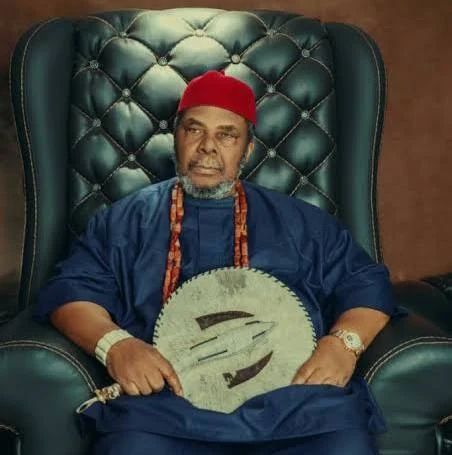
Veteran actor Kola Olaiya has criticised fellow actor Pete Edochie over what he described as a failure to acknowledge the contributions of older practitioners who helped establish Nigeria’s theatre industry.
Olaiya made the remarks during an interview with Oyinmomo TV, arguing that the industry’s history stretches back decades before Edochie became a prominent figure in Nigerian entertainment.
He accused Edochie of failing to pay sufficient respect to earlier generations of performers, describing the actor’s attitude as a longstanding concern.
“I have known him for a long time; that pride is in his blood. That is why he cannot pay homage to the elders that made him,” Olaiya said.
He cited the late theatre pioneer Hubert Ogunde as an example of the practitioners whose contributions deserve recognition.
According to Olaiya, Ogunde entered theatre in 1944 after leaving the police force and had established himself through stage productions, films and music long before Edochie was born.
Olaiya also mentioned Oyin Adejobi, Duro Ladipo and Kola Ogunmola among the early practitioners who helped shape the country’s theatrical tradition.
“Ogunde had been acting before Pete was born. After that, people like Oyin Adejobi, Duro Ladipo, and Kola Ogunmola joined. Where was Pete Edochie then?” he asked.
The veteran actor further argued that Edochie’s prominence within the Southeast should not be interpreted as a position of seniority over practitioners across Nigeria.
“If Pete says in his own tribe, he doesn’t have a boss, I wouldn’t know, but here in the whole Nigeria, no,” he said.
Beyond his criticism of Edochie, Olaiya reflected on his own relationship with Ogunde, whom he described as a father figure who played a significant role in his life and career.
He recalled eventually leaving Ogunde’s theatre group following disagreements over vehicles acquired for members of the troupe.
Olaiya said he initially believed the vehicles were gifts but later learnt from fellow performer Baba Sala that they had been obtained through loans facilitated by Ogunde.
He added that although salaries were increased during that period, he subsequently discovered that four naira was being deducted from their earnings.
Despite the circumstances surrounding his departure, Olaiya said he remained grateful to Ogunde for the opportunities and support he received while working under the theatre pioneer.
His comments have brought renewed attention to questions of recognition, seniority and the historical contributions of the performers who helped shape Nigerian theatre and the country’s wider entertainment industry.