Alausa Pushes Autism Centres in Six Geopolitical Zones, Urges Universities to Introduce Specialised Degrees

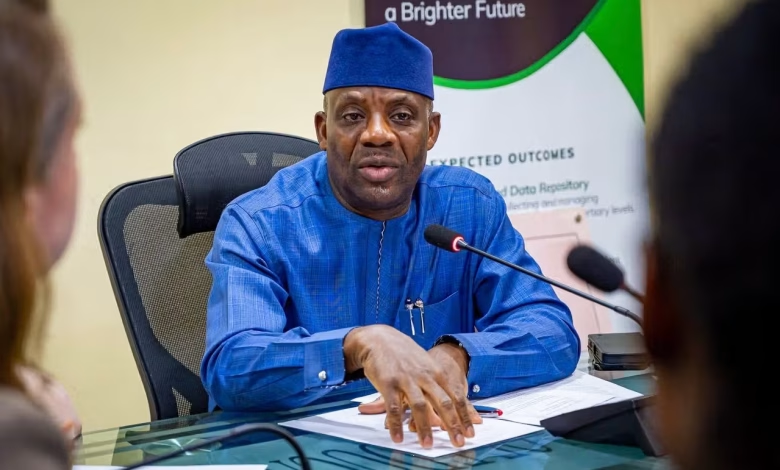
The Minister of Education, Dr Maruf Tunji Alausa, has urged vice-chancellors of Nigerian universities to prioritise high-demand degree programmes to address critical manpower shortages and expand employment opportunities for graduates.
Ikharo Attah, the Special Adviser(Media and Communications) to the Minister disclosed this in a Statement on Sunday, 18th November, 2026 in Abuja.
Alausa, according to the Statement, specifically called for the introduction of degree programmes in Audiology, Occupational Therapy, Speech and Language Therapy, Clinical Psychology and Medical Social Work to strengthen specialised healthcare and social services across the country.
The minister also reaffirmed the Federal Government’s commitment to establishing autism centres across Nigeria’s six geopolitical zones to improve access to diagnosis, therapeutic services and specialised support for persons on the autism spectrum and their families.
He said the proposed centres would serve as regional hubs for research, healthcare professionals, families and educational institutions, while strengthening Nigeria’s capacity to address autism and related developmental conditions.
Alausa stressed that universities must align their academic programmes with national workforce requirements and the growing demand for specialised professional services, noting that expanding training in the identified fields would help bridge gaps in specialist care and reduce dependence on external expertise.
He urged vice-chancellors and university administrators to collaborate with the relevant regulatory agencies, professional bodies and the chairman of the Federal Government’s Ministerial Committee for the Advancement of Audiology, Occupational Therapy, Speech and Language Therapy, Dr Victoria Amu, to facilitate the establishment of the proposed programmes.
The minister commended Amu for her dedication and commitment to advancing the specialised disciplines, while emphasising the need to maintain appropriate academic and professional standards in the training of graduates.
He added that the initiatives formed part of the Federal Government’s broader efforts under President Bola Ahmed Tinubu’s Renewed Hope Agenda to strengthen human capital development, expand access to relevant education and improve service delivery.
Alausa reaffirmed the government’s commitment to building a responsive and inclusive higher education system that equips young Nigerians with relevant skills while addressing critical manpower gaps and the specialised needs of the population.