President says Nigeria’s economy has grown by more than four per cent, while inflation has fallen and foreign reserves have been rebuilt…..
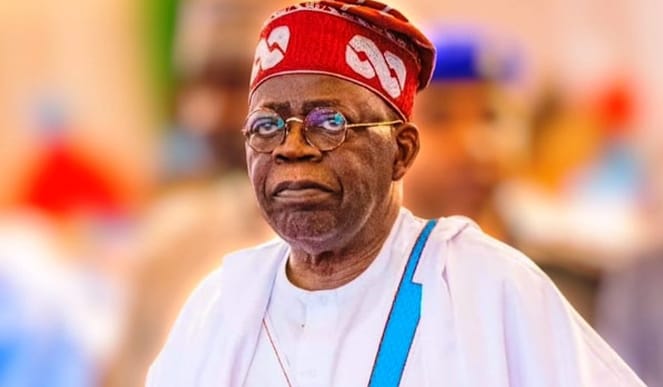
President Bola Tinubu has ruled out any return to petroleum subsidies, maintaining that the difficult economic measures introduced by his administration are beginning to deliver the results they were designed to achieve.
The president made the position clear on Thursday in his Independence Day address to Nigerians, as the country marked its 66th anniversary, using the occasion to defend the economic policies implemented since he assumed office in May 2023.
Tinubu said reversing the reforms in response to growing calls for subsidies would amount to abandoning the measures taken to address longstanding weaknesses in the economy.
“Our reforms did not create the weaknesses in our economy. They confronted them. Now, as certain influential but regressive voices would have us abandon the treatment and return ourselves to the abuse of addictive subsidies, we must resist their siren song. We must remember why we began this journey and how far we have already come,” he said.
The president scrapped the petrol subsidy shortly after taking office, a decision that was followed by a sharp increase in fuel prices. The removal, together with the reforms to the foreign exchange market, has since remained a major point of debate, with critics linking the policies to increased pressure on households and the cost of living.
Opposition figures and other critics have repeatedly called for a reversal of some of the measures, particularly the petrol subsidy policy, arguing that Nigerians continue to bear the consequences of the reforms.
Tinubu, however, said the economic indicators now point to an improvement in the country’s outlook.
He stated that Nigeria’s economy had expanded by more than four per cent in 2026, with both the oil and non-oil sectors contributing to what he described as a period of stable growth.
“Both oil and non-oil sectors have contributed to the renewed period of stable growth.”
The president also pointed to developments in the oil sector, inflation, foreign reserves and foreign exchange as evidence of progress under his administration.
“Oil theft is down. Inflation has fallen substantially from its peak. Our foreign reserves have been rebuilt, our foreign exchange market has stabilised, and in 2025 this country recorded its highest revenue from non-oil exports in its history, exceeding $6 billion. This is real money being made by real Nigerian businesses,” Tinubu said.
He further argued that the changes were being recognised beyond government, citing international observers, journalists, non-governmental organisations and multilateral institutions.
“Each has concluded that our reforms have strengthened Nigeria’s economic stability and resilience. The private sector has long since delivered its verdict, and foreign direct investment continues to rise each year,” he said.
Tinubu acknowledged that the reforms had come with significant difficulties but said the administration’s focus had now shifted from correcting economic distortions to delivering broader prosperity.
“My fellow Nigerians, we have reached a turning point. The emergency treatment is over. The foundation has been repaired. The central economic task before us has changed. For three years, our overriding purpose was to correct our nation’s course. Now, our purpose is simple: shared and widespread prosperity.”
The president said the next phase would focus on reducing the cost of living, creating productive jobs, expanding industrial activity and strengthening opportunities for Nigerians.
He said the government would pursue lower production and transportation costs through increased agricultural mechanisation, irrigation, better access to farm inputs, storage facilities and investments in roads, railways and ports.
Tinubu also said his administration would continue supporting businesses, expanding digital connectivity and developing the skills required by employers, while using Nigeria’s gas resources to support industrial growth.
He maintained that the ultimate objective was to build an economy capable of creating opportunities and improving living standards rather than simply managing the challenges created by poverty.
“The age of reform has done its work. Now begins the age of prosperity. An age in which the promise of this great nation must finally become the lived experience of Nigerians from all walks of life.”