New MoU aims to advance nuclear science, capacity building, and energy sovereignty across the continent…
The African Union (AU), the African Commission on Nuclear Energy (AFCONE), and the OECD Nuclear Energy Agency (NEA) have signed a memorandum of understanding (MoU) to promote the peaceful application of nuclear science and technology for Africa’s socio-economic growth.
The agreement was formalized on the sidelines of the 39th AU Summit in Addis Ababa, Ethiopia, on Friday, creating a structured framework for collaboration in research, innovation, regulatory strengthening, capacity building, and mobilization of technical and financial resources to support Africa’s energy transition and industrialisation agenda.
The MoU will also facilitate coordinated exchanges across the continent and strengthen relationships between African institutions and NEA member countries, including the US, UK, France, Japan, and Germany. It is set to run for an initial three-year period, with the option for renewal after review.
Strengthening Africa’s Energy Sovereignty
Speaking at the ceremony, Lerato Mataboge, AU Commissioner for Infrastructure and Energy, called the partnership a strategic move to enhance Africa’s energy independence. She highlighted the continent’s untapped potential, noting that Africa supplies 15–18 percent of the world’s uranium yet contributes less than one percent to global nuclear electricity generation.
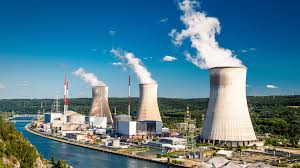
Currently, only South Africa operates nuclear energy on the continent, where it provides about five percent of the country’s electricity from a total installed capacity of 1,854 MW. Other nations, including Egypt, are actively pursuing nuclear projects, with Egypt expected to complete its nuclear power plant by 2031.
Knowledge Sharing and Skills Development
William Magwood IV, NEA Director-General, said the collaboration will create a platform for informed decision-making and shared progress as African countries explore nuclear energy.
“The challenges these countries face are similar to those experienced by many NEA members, and by working together we can advance economic development and skills expansion across the African continent,” Magwood noted.
Other African nations, including Nigeria, Algeria, Ethiopia, Ghana, Kenya, and Morocco, have announced nuclear energy ambitions, with Nigeria targeting an eight percent nuclear contribution to its electricity mix by 2030.
The partnership is expected to accelerate nuclear technology adoption, strengthen regulatory frameworks, and empower African countries to harness their uranium resources for domestic energy production, marking a significant step toward a more diversified and sustainable energy future for the continent.