
Trump’s 50% Tariff on India Takes Effect as Modi Pushes Self-Reliance Agenda

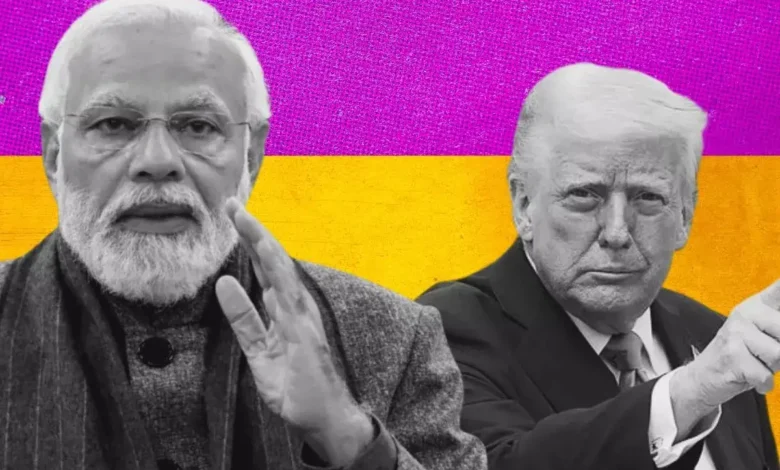
U.S. President Donald Trump’s sweeping 50% tariffs on Indian goods officially took effect this week, escalating trade tensions and threatening a major blow to Asia’s third-largest economy.
The move comes just weeks after Trump issued an executive order slapping an additional 25% penalty on India over its purchases of Russian oil and weapons.
The decision places India—long considered one of Washington’s closest partners in the Indo-Pacific—among the countries facing some of the highest U.S. tariff rates in the world.
Analysts warn the measure could undercut Indian exports, slow growth, and strain a relationship that has been central to U.S. strategy in the region. Until recently, the U.S. was India’s largest trading partner.
The tariff shock has jolted New Delhi into action. Earlier this month, Prime Minister Narendra Modi promised sweeping tax cuts to cushion households and businesses from the fallout.
Speaking from the ramparts of Delhi’s Red Fort on Independence Day, dressed in his trademark saffron turban, Modi urged Indians to embrace self-reliance and take pride in domestic production.
“We should become self-reliant, not out of desperation, but out of pride. Economic selfishness is rising globally. We must not cry over difficulties but rise above them and refuse to let others hold us in their clutches,” he declared to roaring crowds.
He called on shopkeepers and businesses to display “Swadeshi” (Made in India) signs outside their stores, doubling down on his “Make in India, Spend in India” campaign. Modi has since echoed the message in at least two additional public addresses this week.
For India, the challenge is formidable. Despite years of subsidies and production-linked incentives, the share of manufacturing in India’s GDP has stagnated at around 15%, limiting the country’s ability to pivot quickly toward self-sufficiency.
Still, economists say Modi’s promised reforms particularly those aimed at tax relief could help absorb some of the tariff shock.
After announcing a $12 billion income tax cut in this year’s budget, his government is now preparing a major overhaul of the Goods and Services Tax (GST), aimed at simplifying the system and reducing the burden on small businesses.
Trump’s tariff move is expected to hit millions of Indian livelihoods tied to export-driven industries—from textiles and diamonds to pharmaceuticals, shrimp, and IT services—sectors heavily reliant on U.S. consumers.
For Modi, the moment represents both a political and economic test: balancing his promise of relief for the “common man” with a push toward long-term resilience in the face of what he has framed as America’s “economic aggression.”