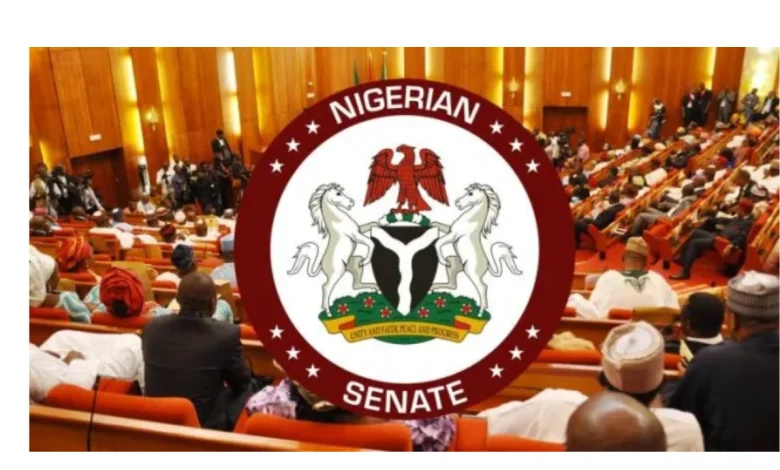
The Nigerian Senate on Wednesday confirmed the appointment of five Resident Electoral Commissioners (RECs) for the Independent National Electoral Commission (INEC), as nominated by President Bola Ahmed Tinubu in March 2025.
The confirmation followed the presentation of a screening report by Senator Simon Lalong, Chairman of the Senate Committee on Electoral Matters, during plenary. Lalong affirmed that all five nominees had been thoroughly vetted and recommended for approval.
The newly confirmed INEC commissioners are:
Umar Yusuf Garba (Kano State)
Sa’ad Umar Idris (Bauchi State)
Chukwuemeka C. Ibeziako (Anambra State)
Umar Mukhtar (Borno State)
Dr. Johnson Alalibo Sinikiem (Bayelsa State)
Their appointments are expected to strengthen INEC’s institutional capacity ahead of upcoming off-cycle and general elections.
In a related development, the Senate also commenced deliberations on the Federal Capital Territory (FCT) statutory appropriation bill for the 2025 fiscal year, following a formal request by President Tinubu.
The President, in a letter read on the floor by Senate President Godswill Akpabio, sought expeditious legislative action on the proposed ₦1.783 trillion budget, emphasizing its importance for sustaining governance and infrastructure development in Abuja.
Despite the fast-tracking of the bill under Senate Order 78, which allowed it to pass second reading on the same day of presentation, the process met resistance. Senator Abdul Ningi of the opposition raised a point of order under Order 77 (3 & 4), protesting that senators had not been furnished with the full details of the bill prior to debate.
Nevertheless, the Senate proceeded to the general debate, with Senate Leader Opeyemi Bamidele providing a breakdown of the budget proposal. The expenditure plan includes:
₦150.35 billion for personnel costs
₦343.78 billion for overheads
₦1.29 trillion earmarked for capital projects
Bamidele emphasized that the budget was designed to enhance service delivery, complete key infrastructure projects, and provide essential services to residents of the FCT.
He described the proposal as a forward-looking fiscal framework that aligns with the administration’s commitment to efficient urban management and developmental goals in the capital city.
The bill is expected to proceed to the committee stage in the coming days for detailed scrutiny.