White House Denies Trump Tied to Epstein Case Files Amid Mounting Scrutiny

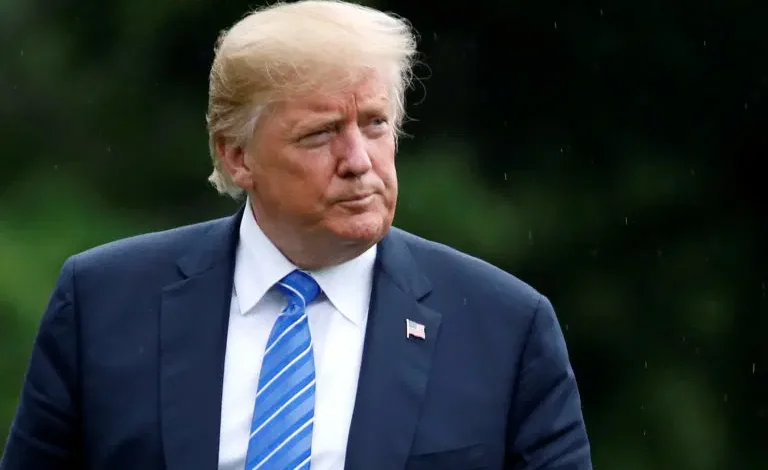
The White House has strongly denied reports that President Donald Trump was named in recently surfaced Justice Department documents related to the late financier and convicted sex offender Jeffrey Epstein.
According to a report by The Wall Street Journal, Attorney General Pam Bondi allegedly informed President Trump in a routine May briefing that his name was among hundreds referenced in the documents.
The report made clear that inclusion in the records does not indicate any criminal wrongdoing.
In response, a White House spokesperson dismissed the claims outright, calling the report a “fake news story” and accusing media outlets of politicizing a long-settled issue.
The denial comes as the Trump administration faces renewed scrutiny over its handling of materials linked to Epstein and his high-profile network of associates.
Trump, who was once publicly friendly with Epstein before reportedly cutting ties in 2004, has long faced questions about the extent of their relationship. While campaigning for office, Trump vowed to declassify information related to Epstein’s activities and associates, promising transparency in the high-profile case that continues to fascinate and disturb the public.
However, nearly a year into his presidency, critics — including some of Trump’s own supporters — have expressed frustration over the administration’s failure to release what many believed would be a “client list” of individuals allegedly involved in Epstein’s trafficking network. Earlier this month, both the Justice Department and the FBI issued a joint memo stating that no such list exists.
Epstein died in federal custody in 2019 while awaiting trial on sex trafficking charges. His death was officially ruled a suicide, though the circumstances surrounding it have fueled widespread conspiracy theories and public mistrust.
The pressure to release further Epstein-related documents intensified again this week. On Wednesday, a federal judge in Florida rejected a Justice Department motion to unseal court filings tied to Epstein’s prior prosecution in the state — a decision seen by transparency advocates as a setback.
Later that same day, a subcommittee of the U.S. House of Representatives voted to issue a subpoena to the Justice Department demanding access to all Epstein-related files. The subpoena still requires the signature of the committee chairman before taking effect.