The United Nations has identified Nigeria as one of the countries where children are increasingly recruited and used by armed groups, highlighting ongoing risks faced by minors in conflict-affected areas.
The warning comes ahead of the International Day Against the Use of Child Soldiers, observed every year on February 12, to draw attention to the global impact of armed conflict on children.
Vanessa Frazier, the UN Special Representative for Children and Armed Conflict, said child recruitment remains one of the most serious violations against children. She noted that thousands continue to be drawn into armed groups annually, either by force, coercion, or manipulation.
According to her, more than 7,400 children were recruited or used by armed forces and armed groups in 2024 alone, based on verified cases. She added that over the past three decades, UN efforts have helped secure the release of more than 220,000 children from armed groups worldwide.
Nigeria was listed alongside the Democratic Republic of the Congo, Somalia, Syria, and Myanmar as countries with some of the highest numbers of violations against children in conflict.
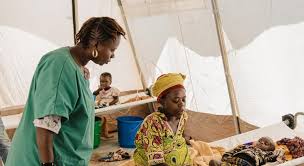
Frazier explained that her office currently monitors about 26 conflict situations globally and works with partners to negotiate the release of affected children. Once freed, agencies such as UNICEF provide support, including counselling, education, and reintegration into their communities.
However, she noted that reintegration is not always easy. Some children, especially girls, face stigma and rejection when they return, particularly those who come back with babies.
She emphasized that prevention is critical, stressing that keeping children in school reduces their vulnerability to recruitment. She also pointed to the importance of prosecuting those responsible, saying accountability sends a strong signal that such actions will not go unpunished.
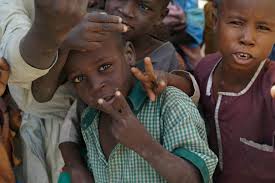
Reflecting on her visits to conflict-affected areas, including regions impacted by Boko Haram in Nigeria, she said encounters with young survivors highlight the lasting damage conflict causes.
Frazier stressed that protecting children and ensuring their access to education and support services are essential steps toward building lasting peace and preventing future violations.