Foreign Affairs Minister says isolated incidents are being exaggerated, discouraging investment despite ongoing reforms and security gains
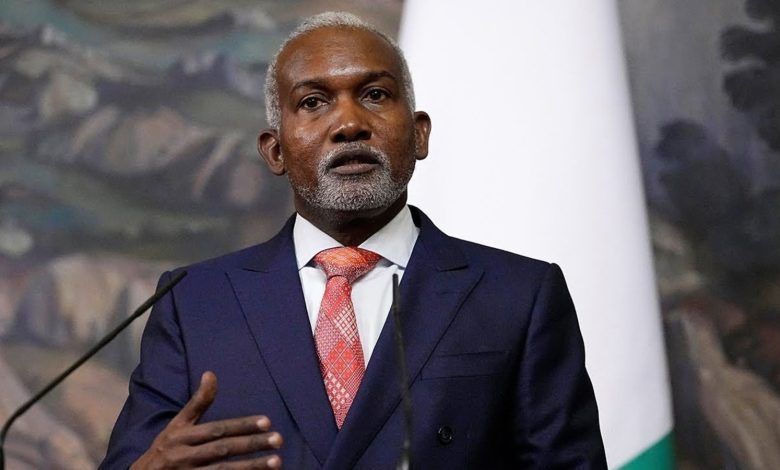
Nigeria’s Minister of Foreign Affairs, Yusuf Tuggar, has called on international investors to reassess their perception of Nigeria’s security situation, warning that exaggerated geopolitical risk narratives are undermining investor confidence in Africa’s largest economy.
Tuggar made the remarks during an interview on CNN on Tuesday at the ongoing World Economic Forum in Davos, Switzerland. He said insecurity incidents reported in parts of the country are largely isolated and do not reflect the broader national reality.
According to the minister, some of Nigeria’s security challenges are linked to instability in the wider Sahel region, which has spilled across borders into the country.
“We are urging investors to treat Nigeria the same way they treat other countries,” Tuggar said. “The fact that there are isolated incidents in certain locations does not mean the entire country should be written off.”
He argued that geopolitical risks in Africa are often overstated compared to how similar challenges are perceived elsewhere in the world, noting that this imbalance affects investor decision-making.
“It is important to see the conflict for what it is, a regional issue that has spilled into Nigeria,” he said, linking current security concerns to long-standing instability in the Sahel, the aftermath of the Libyan crisis, the proliferation of weapons, cross-border fighters, and climate-related pressures.
Tuggar said the Federal Government is working closely with international partners, including the United States, to dismantle terrorist and bandit networks by targeting their strongholds.
He added that the government is also actively engaging the global investment community while pushing back against what he described as an exaggerated risk narrative surrounding Nigeria’s economy.
“In a country covering over 923,000 square kilometres, an incident in one area should not define the entire nation,” the minister said.
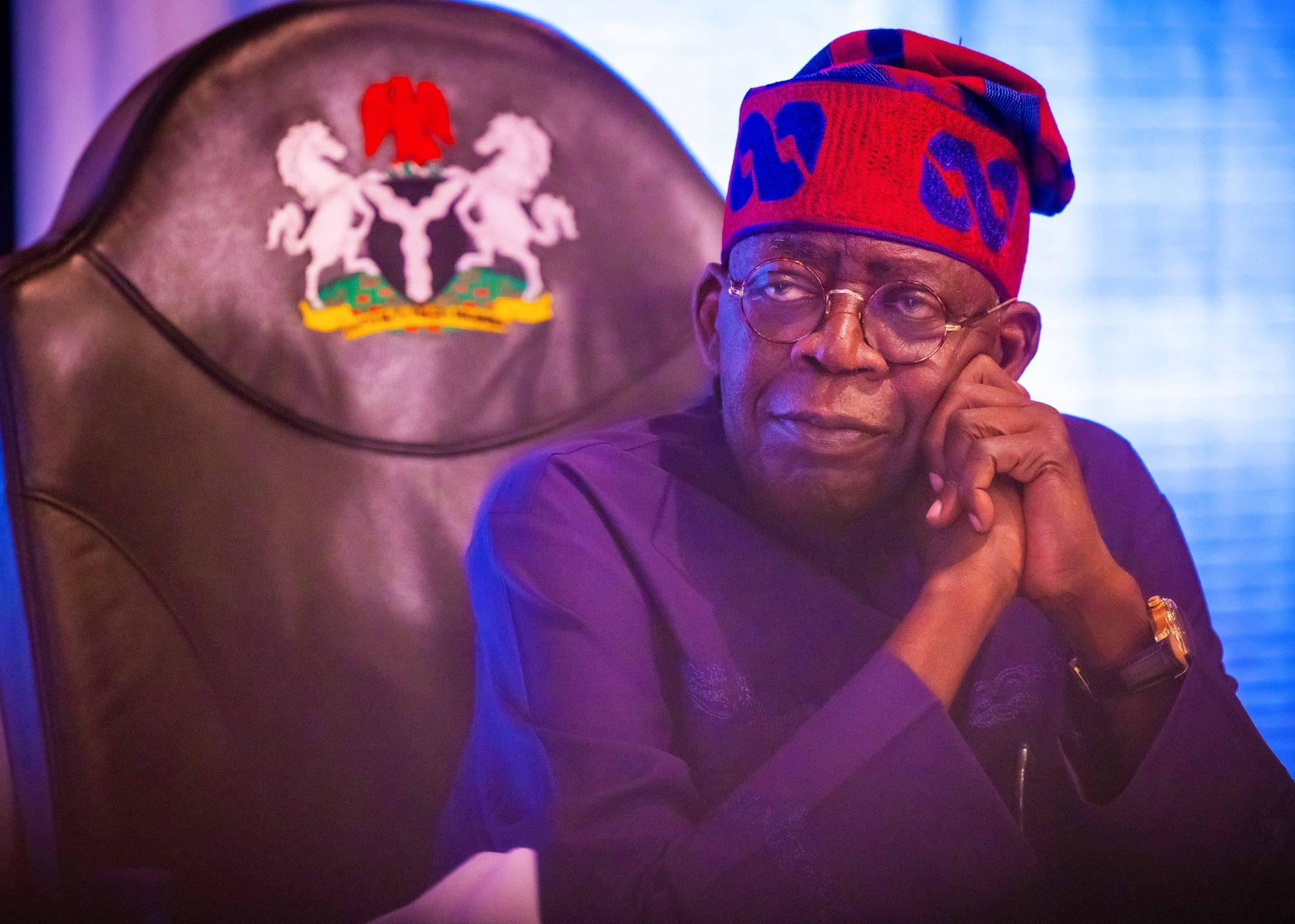
Highlighting economic reforms under President Bola Tinubu’s administration, Tuggar pointed to changes in the foreign exchange regime, tax reforms, and reductions in corporate income tax as steps aimed at improving the business environment and restoring investor confidence.
He disclosed that Nigeria’s foreign reserves have climbed to about $43 billion, while ongoing reforms have improved access to foreign exchange for businesses and investors.
“It’s important to acknowledge the progress being made with macroeconomic and fiscal reforms that are designed to make Nigeria more attractive to investors,” he said.
On security, Tuggar noted that Nigeria had recorded notable successes against Boko Haram through regional cooperation, particularly via the Multinational Joint Task Force, which enabled cross-border pursuit of insurgents. He said those gains were affected after Niger Republic withdrew from the force following last year’s military takeover.
The minister warned that persistent negative portrayal of Nigeria’s security situation could itself fuel insecurity by incentivising extremist groups seeking attention.
“Let us look at Nigeria holistically and not define the entire country by isolated incidents,” he said.
He added that beyond conventional security measures, the government has also deployed forest guards to strengthen efforts against terrorism and criminal activities.
Earlier at the forum, Director-General of the World Trade Organisation, Dr Ngozi Okonjo-Iweala, urged Nigeria to deliberately attract global investments and supply chain relocations to cut import dependence, expand manufacturing, and create jobs.
Speaking during a panel session titled “From Scale to Capital: Financing Nigeria’s Role as Africa’s Digital Trade and Infrastructure Anchor,” she noted that rising geopolitical tensions, particularly between the United States and China, are accelerating global supply chain diversification, a shift Nigeria could leverage.