Trump Administration Rejects WHO Pandemic Reforms, Citing U.S. Sovereignty Concerns

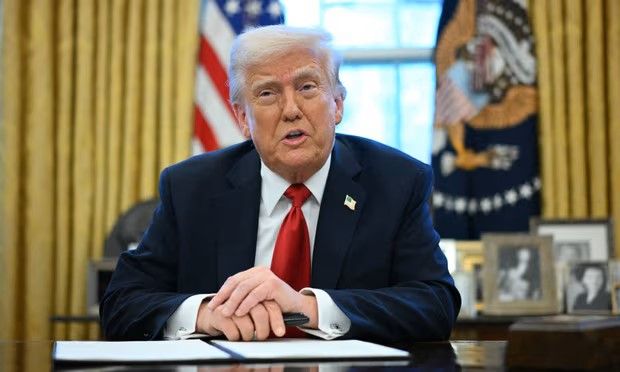
The Trump administration has officially rejected a set of pandemic-related reforms adopted by the World Health Organization (WHO), arguing they infringe on U.S. sovereignty and individual liberties.
In a joint statement released Friday, Secretary of State Marco Rubio and Health and Human Services Secretary Robert F. Kennedy Jr. said the Biden-era amendments to the International Health Regulations (IHR) pose “unwarranted interference with our national sovereign right to make health policy.”
“We will always put Americans first and will not tolerate international directives that infringe on free speech, personal privacy, or national decision-making,” the statement read.
The amendments — which were approved at the World Health Assembly in Geneva in 2023 — aimed to strengthen the WHO’s ability to respond more effectively to global health emergencies.
They also included provisions for equitable access to resources in developing nations and called for greater international cooperation during health crises.
Although the U.S. under President Joe Biden had supported negotiations at the time, it stopped short of endorsing the reforms fully, citing concerns over intellectual property protections tied to vaccine development.
Upon returning to office on January 20, President Trump swiftly began the process of formally withdrawing the United States from the WHO — a move reminiscent of his first term, when he criticized the global health body’s handling of the COVID-19 pandemic and alleged bias toward China.
Rubio and Kennedy further argued that the IHR amendments fail to address the WHO’s “susceptibility to political influence and censorship, particularly from China,” referencing accusations that the organization mishandled early information during the COVID-19 outbreak in Wuhan.
Their statement reflects deepening skepticism among American conservatives about international health treaties, especially those perceived to give the WHO sweeping powers. Critics — including vaccine skeptics and nationalists — have claimed that such agreements could override domestic law and infringe on civil liberties during global health emergencies.
The WHO had hoped the reforms would lay the groundwork for a more comprehensive pandemic treaty, but negotiations have repeatedly stalled amid rising global tensions, especially from populist-led governments wary of multilateral oversight.
As it stands, the United States’ rejection could significantly weaken the implementation of the new amendments, given its central role in global health financing and diplomacy.