IPPG says stronger local participation, reforms and gas expansion signal improving sector confidence but calls for deeper collaboration and value creation….
Nigeria’s average crude oil production rose to 1.64 million barrels per day in 2025, marking a 5.8 percent increase from 1.55 million barrels per day recorded in 2024, according to the Independent Petroleum Producers Group.
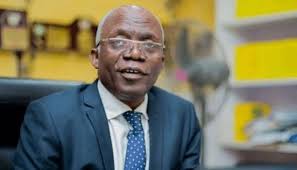
Chairman of the group, Adegbite Falade, disclosed this during the just-concluded Nigeria International Energy Summit held in Abuja, where he outlined key developments across the oil and gas value chain, including improved upstream production, expansion of gas infrastructure and growing domestic refining capacity.
Falade said indigenous oil producers now contribute more than half of Nigeria’s total crude oil output, describing the development as a significant milestone that reflects stronger local participation and the impact of supportive government policies.
He welcomed Adama Barrow, President of The Gambia, alongside delegates from the global energy community, including representatives of the Gas Exporting Countries Forum and the African Petroleum Producers Organisation.
Falade also commended Bola Ahmed Tinubu for sustaining and advancing reforms in the oil and gas sector, noting that early indicators suggest improving investor confidence and stronger industry performance.
Despite the progress, he emphasised the need for strategic reforms, deeper collaboration and stronger value creation within Nigeria’s domestic energy sector.
He said Nigeria must shift focus from exporting raw hydrocarbons to building a more integrated energy ecosystem capable of creating in-country value, boosting economic contribution and delivering long-term benefits to citizens.
Referencing the summit’s theme, Energy for Peace and Prosperity: Securing Our Shared Future, Falade highlighted the critical role of energy security in driving economic stability and development across Africa.
He urged stakeholders across the industry, including operators, regulators, service providers and investors, to strengthen cooperation in order to sustain growth, enhance resilience and secure a more competitive and self-sufficient energy future for Nigeria and the wider African continent.