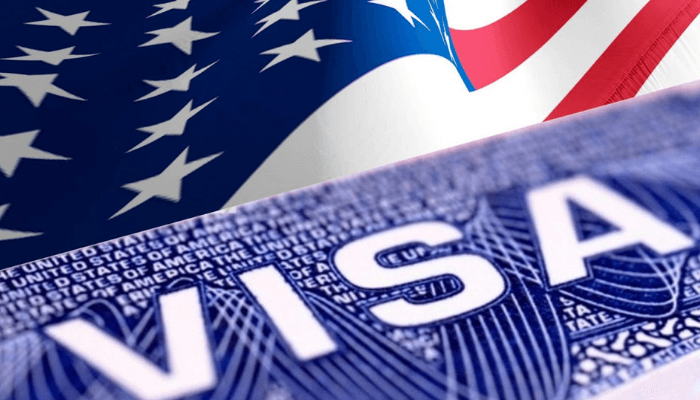
In a sweeping policy shift that could affect thousands of international students, including many from Nigeria, the United States has temporarily suspended processing of student and exchange visitor visas.
The decision follows a directive from U.S. Secretary of State Marco Rubio, as the Trump administration intensifies scrutiny of applicants’ social media activity, according to an internal diplomatic cable obtained by AFP.
The directive comes amid broader efforts by the administration to tighten immigration controls and bolster national security protocols.
The move is expected to significantly impact international students — a vital demographic for U.S. higher education institutions — and particularly affects Nigerian youths who have increasingly looked abroad for better educational and economic opportunities, a trend widely known in Nigeria as “Japa.”
Nigeria ranks among the top African countries sending students to the United States. The new suspension threatens to derail academic plans for many, especially as universities gear up for the fall semester.
In the internal cable, embassies and consulates were instructed to halt “any additional student or exchange visa appointment capacity until further guidance is issued.” The communication further noted that the State Department is preparing to introduce expanded social media vetting across all student visa categories.
Although the cable suggests the pause could be short-lived, processing delays and uncertainty around new guidelines are likely to add to already significant visa backlogs, further complicating the plans of prospective international students.
State Department spokesperson Tammy Bruce, while not directly addressing the leaked cable, confirmed that enhanced vetting was in line with the administration’s goals.
“It’s a priority, as stated by the president and Secretary Rubio, to ensure individuals entering the country pose no security threat and will contribute positively during their stay,” Bruce said.
When pressed on whether students could expect visa approvals before the new academic year, Bruce remained non-committal: “Applicants should continue to follow the normal process and understand that background checks are part of it.”
This development follows Senator Rubio’s admission at a recent Senate hearing that he had already revoked “thousands” of visas since assuming the role of Secretary of State. He cited an obscure provision in U.S. law that allows the Secretary to revoke visas if the individual is deemed to pose a threat to U.S. foreign policy interests.
Among those reportedly affected are student activists who participated in pro-Palestinian demonstrations, particularly around the Gaza conflict. U.S. officials have accused some students of engaging in anti-Semitic behavior — allegations strongly denied by many of those targeted.
The U.S., along with the UK and Canada, remains a top destination for Nigerian students seeking better prospects. However, this latest suspension adds to growing concerns about the increasingly hostile immigration environment under the Trump administration.
Education experts warn that such policies not only threaten academic exchange but also risk eroding the United States’ global standing as a welcoming hub for international talent.
As visa hopefuls await new guidance, uncertainty looms large. For many Nigerian students and families, this policy pause may mean deferring dreams — or seeking alternatives elsewhere.