Fuel shipments dominated trade between both countries as Nigeria’s total petrol imports reached N3.54 trillion during the quarter….
Nigeria imported petrol worth N84.69 billion from Togo in the fourth quarter of 2025, according to the latest foreign trade data released by the National Bureau of Statistics (NBS).
The data reveals that petroleum products accounted for the overwhelming majority of Nigeria’s imports from the West African neighbour during the period, underscoring the country’s continued reliance on imported refined fuel to meet domestic demand.
Petrol dominated Nigeria–Togo trade
According to the NBS report, Nigeria’s total imports from Togo in the final quarter of 2025 stood at N88.91 billion, with petrol purchases accounting for most of the figure.
A breakdown of the data shows:
- Petrol imports from Togo were valued at 69 billion.
- The fuel shipments represented the largest share of goods Nigeria purchased from the country.
- Other imports from Togo included hides and skins, crude soybean oil, and postage-related materials.
However, these non-petroleum goods accounted for only a small portion of the overall trade value, highlighting the dominance of petroleum products in bilateral trade between the two countries.
The figures also position Togo as Nigeria’s largest African source of petrol imports during the quarter under review.
Nigeria’s wider petrol import bill
Further analysis of the fourth-quarter trade statistics indicates that Nigeria sourced refined petrol from several countries around the world, reflecting the scale of its dependence on imported fuel.
During the same period:
- Petrol imports from Brazil were valued at 15 billion.
- The Netherlands emerged as one of Nigeria’s biggest suppliers, with shipments worth 22 trillion.
- Overall petrol imports into Nigeria reached 54 trillion in Q4 2025.
The data shows that petrol remains one of the most significant items in Nigeria’s import basket, absorbing substantial foreign exchange each year.
Why Nigeria still imports petrol
Nigeria’s heavy reliance on imported petrol has long been linked to limited domestic refining capacity.
Despite being Africa’s largest crude oil producer, the country has historically depended on imported refined petroleum products due to years of operational challenges affecting government-owned refineries.
As a result, large volumes of foreign exchange are spent annually on fuel imports, a factor that continues to weigh on Nigeria’s trade balance.
Hope from new refining capacity
Industry analysts say the situation could gradually improve as new refining infrastructure begins supplying fuel to the domestic market.
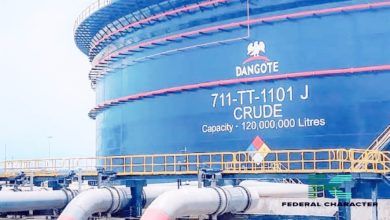
In January 2026, the Dangote Petroleum Refinery announced that it had begun supplying an average of 40.1 million litres of Premium Motor Spirit (PMS) per day to the Nigerian market.
The refinery has stated its ambition to reach a full refining capacity of 700,000 barrels of crude oil per day once operations are fully optimized.
It has also entered into an offtake agreement with 12 major and independent oil marketers, a deal expected to support the distribution of between 60 million and 65 million litres of petrol daily across the country.
If sustained, analysts believe the increased local refining capacity could help reduce Nigeria’s dependence on imported petrol and lower the country’s massive fuel import bill in the coming years.