In a bold step towards a cleaner and more sustainable future, the Lagos State Government has announced it will begin full enforcement of the ban on single-use plastics starting July 1, 2025.
The announcement was made on Monday by Commissioner for the Environment, Tokunbo Wahab, via a statement on his official X (formerly Twitter) handle.
According to Wahab, the state has taken a deliberate, strategic approach, spending 18 months on dialogue, engagement, and transition planning to ensure all stakeholders are aligned.
“We’ve had extensive engagement with marketers and producers. This wasn’t a sudden decision — it’s a calculated shift toward global best practices,” Wahab noted.
In January 2024, Lagos banned the use of Styrofoam — a move that drew mixed reactions, particularly from traders and small business owners reliant on the cheap packaging.
However, Wahab stressed that Lagos cannot afford to let harmful environmental practices persist simply because they’re common.
“What is unacceptable elsewhere cannot become the standard in Lagos. We must protect our environment for future generations,” he said during a meeting with the management of Tetra Pak West Africa, led by MD Haithem Debbiche.
The government has signaled its resolve through action. In September 2024, officials from the Lagos Environmental Sanitation Corps (LAGESC), popularly known as KAI, in collaboration with LAWMA, destroyed over ₦5 million worth of seized Styrofoam packs. The crackdown took place in Epe, underscoring Lagos’ zero-tolerance stance.
“We’re not here to score political points,” Wahab added. “We’re here to do the work. Just like we enforced the Styrofoam ban, we will demand accountability and push for environmental responsibility. A cleaner, healthier Lagos is within reach — if we all play our part.”
The state’s position aligns with federal policy. In June 2024, the Federal Government announced a nationwide ban on single-use plastics in ministries, departments, and agencies, to take effect by January 2025. The decision is part of Nigeria’s National Policy on Plastic Waste Management, first adopted in 2020.
Minister of State for Environment, Iziaq Salako, emphasized the ban as critical in combating climate change, plastic pollution, and biodiversity loss.
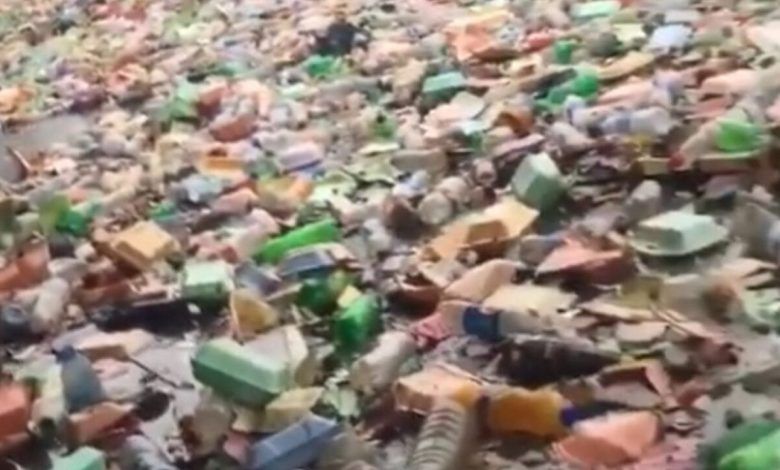
“Plastic waste blocks drains, causes flooding, pollutes oceans, and harms human health. This is a fight for our environment and our future,” Salako said following a Federal Executive Council meeting chaired by President Bola Tinubu.
As Lagos prepares for enforcement, the message is clear: the era of single-use plastics is coming to an end — and with it, a renewed commitment to sustainable living, environmental stewardship, and global responsibility.