Indonesia Battles Food and Medical Shortages as Deadly Floods Devastate Asia

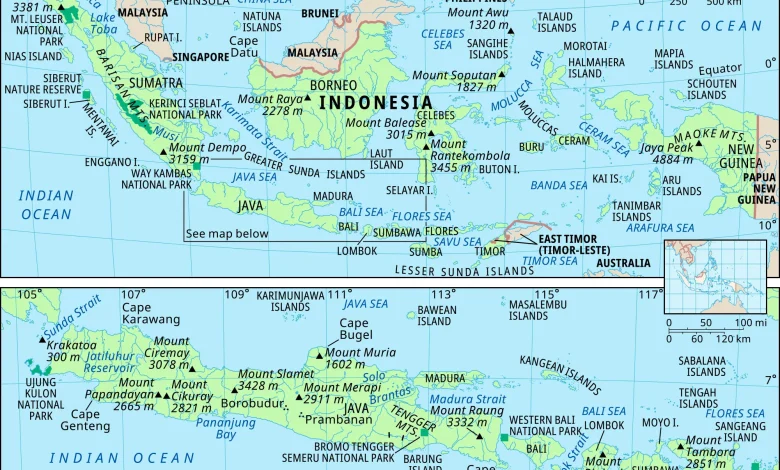
Regions across Indonesia ravaged by catastrophic floods are now facing severe shortages of food, clean water, and medical supplies, authorities said Monday, as rescue workers and even elephants joined efforts to clear debris.
Weeks of tropical storms and relentless monsoon rains have hammered Southeast and South Asia, triggering deadly landslides and flash floods from the jungles of western Sumatra to the highlands of Sri Lanka.
“We are desperately short of everything—especially medical personnel. We don’t have enough doctors,” said Muzakir Manaf, governor of Indonesia’s Aceh province, on Sunday.
Indonesia’s national disaster mitigation agency (BNPB) reported that 961 people have died across Aceh, North Sumatra, and West Sumatra, while another 293 remain missing. More than one million people have been driven from their homes.
In Pidie Jaya, one of the hardest-hit districts in Aceh, four elephants from a local training centre were deployed to help shift wreckage and free vehicles trapped in mud and rubble.
“We brought in four elephants to clear debris from communities whose homes were swept away by the floods,” said Hadi Sofyan, head of a regional conservation agency. “Our goal is to clear access to the residents’ houses, and the elephants will continue working throughout the week.”
The flooding and landslides have injured at least 5,000 people and destroyed key infrastructure, including hospitals and schools. In Banda Aceh, residents queued for hours for drinking water and fuel as prices of basic items like eggs soared.
Indonesia’s BNPB estimated late Sunday that reconstruction costs could reach 51.82 trillion rupiah ($3.1 billion).
Sri Lanka Deploys Extra Troops After Deadly Cyclone
In Sri Lanka, the government has deployed thousands of additional troops to aid recovery efforts following Cyclone Ditwah, which left 627 people dead and caused widespread devastation.
More than two million people—nearly 10 percent of the country’s population—have been affected by what officials describe as the worst natural disaster to hit the island this century.
The Disaster Management Centre (DMC) warned of more heavy rains this week, with up to five centimetres expected in already affected areas, and issued fresh landslide alerts.
Army chief Lasantha Rodrigo said 38,500 personnel are now engaged in rescue, recovery, and clean-up operations—nearly double the initial deployment.
“Since the disaster began, our forces have rescued 31,116 people in distress,” Rodrigo said.
President Anura Kumara Dissanayake also announced a recovery package offering 10 million rupees ($33,000) to help families purchase land in safer areas and rebuild. Additional support will include livelihood assistance and grants to replace essential household items.
However, the total cost of the relief programme remains uncertain. Sri Lanka is still recovering from its 2022 economic collapse, when it ran out of foreign reserves and struggled to import basic goods.
Dissanayake has appealed for international aid, including support from the International Monetary Fund, saying the government cannot bear reconstruction costs alone.
Climate Change Intensifies Monsoon Threats
Seasonal monsoon rains are a familiar part of life in South and Southeast Asia, nourishing rice fields and supporting key crops. But experts warn climate change is making these weather patterns increasingly unpredictable—and far more deadly.
This year’s severe floods, landslides, and cyclones across Indonesia, Sri Lanka, and neighbouring countries highlight how rising global temperatures are intensifying extreme weather across the region.