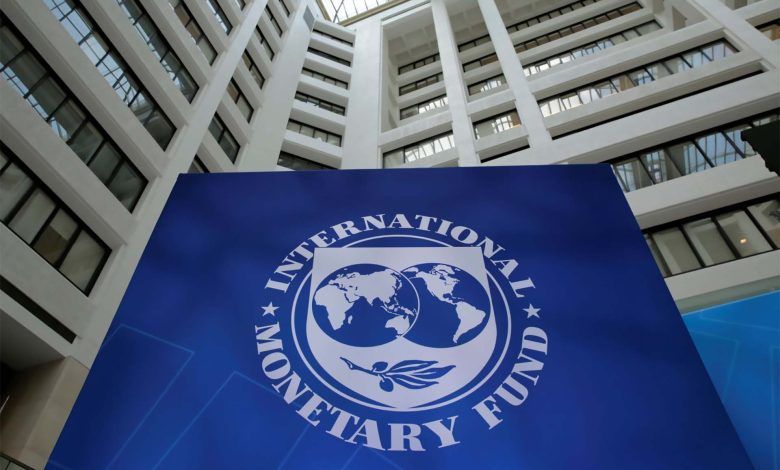
The International Monetary Fund (IMF) has confirmed that Nigeria has fully repaid the $3.4 billion it received under the Rapid Financing Instrument (RFI) during the COVID-19 pandemic. The final repayment was completed on April 30, 2025, marking the closure of one of the largest RFI disbursements made globally during the crisis.
In a statement issued Thursday on behalf of the IMF’s Resident Representative in Nigeria, Christian Ebeke, the Fund acknowledged Nigeria’s timely fulfilment of the loan obligation, which was originally disbursed in April 2020 to help the country manage economic fallout from the pandemic, including the oil price crash, fiscal strain, and GDP contraction.
“As of April 30, 2025, Nigeria has fully repaid the financial support of about $3.4bn it requested and received in April 2020 from the International Monetary Fund under the Rapid Financing Instrument,” the statement read.
However, despite settling the principal, Nigeria will continue to make annual payments of approximately $30 million tied to Special Drawing Rights (SDR) charges. These charges stem from the gap between Nigeria’s current SDR holdings SDR 3,164 million ($4.3bn) and its cumulative SDR allocation of SDR 4,027 million ($5.5bn).
Under the IMF’s framework, SDR charges are applied to the difference between what a country holds and what it has been allocated, with the rate updated weekly. These payments will continue until Nigeria’s SDR holdings rise to meet its full allocation.
“In line with the IMF’s Articles of Agreement, these charges, levied at the SDR interest rate, apply to the difference between Nigeria’s SDR holdings and its cumulative SDR allocation,” the Fund clarified. “The net payment of the charges stops when Nigeria’s SDR holdings reach the cumulative allocation amount.”
Data published by the IMF shows that Nigeria’s total SDR-related charges for 2025 are expected to amount to SDR 22.35 million, or about $30.24 million, with instalments scheduled for May, August, and November.
Nigeria’s $3.4bn RFI loan carried favourable terms compared to traditional IMF programmes, offering fast-disbursing funds without stringent structural reform conditions. In 2024 alone, Nigeria paid $1.63bn to the IMF entirely principal with no interest or charges recorded during that period.
According to debt service data, Nigeria’s total external debt servicing for 2024 hit $4.66bn, up from $3.5bn in 2023. Multilateral lenders accounted for the largest portion, with the IMF responsible for around 35% of all external debt payments that year.
While the full repayment signals a positive milestone in Nigeria’s debt profile and economic resilience, the continued annual charges highlight the country’s ongoing financial commitments under its SDR arrangement with the Fund.