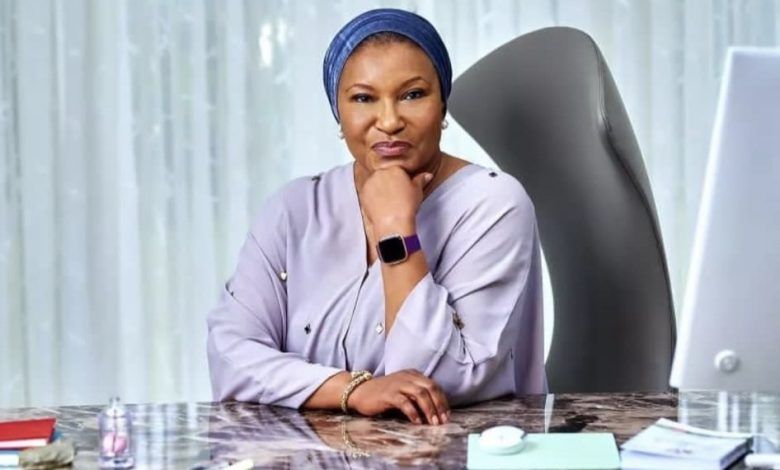
FCT Senator Ireti Kingibe has cast doubt on the Labour Party’s (LP) chances in the 2027 general elections, citing deep internal divisions and ongoing leadership struggles.
Speaking in a candid interview on Tuesday, she offered a critical assessment of the party’s troubled state. “The Labour Party is in some sort of a quagmire. We are trying to put it together, but in its present state, I do not see it as a vehicle that can win any election. It’s been very fractured and broken,” she said.
Although she maintains her membership in the LP, Kingibe disclosed she is now working closely with a newly emerging opposition coalition anchored by the African Democratic Congress (ADC). She described the move as a practical response to the LP’s internal paralysis.
“We have local government elections coming up. Ideally, the Labour Party would have been the platform, but it is broken. There are currently two factions—and I belong to one,” she explained.
Kingibe remained optimistic about opposition prospects in the FCT, affirming that while the All Progressives Congress (APC) remains unpopular in the capital, alternative platforms like the ADC are better positioned to field viable candidates.
“I believe the FCT is winnable—but not by the APC. The ADC has credible candidates, and that’s the platform we’ll be using to send a strong message,” she declared.
When asked if she might consider leaving the Labour Party altogether should the crisis persist, Kingibe acknowledged the possibility:
“Maybe—I might eventually leave,” she admitted.
Her remarks come amid a prolonged leadership crisis within the Labour Party, which has been bogged down by legal disputes and factional power struggles since its unexpected surge in the 2023 elections largely fueled by Peter Obi’s presidential run.
Kingibe’s public embrace of the ADC-led coalition reflects a growing shift within the opposition landscape, as disillusioned LP members increasingly look beyond the party for a viable pathway toward 2027.
Political analysts suggest that her comments could mark the beginning of a broader realignment among progressive blocs ahead of the next national polls.