ECOWAS Seeks Stronger Collective Action Against Unconstitutional Government Changes

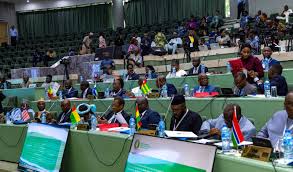
At the opening of its 95th Ordinary Session in Abuja, the ECOWAS Council of Ministers has called for a united front to enforce zero-tolerance against unconstitutional changes of government and safeguard regional democratic norms.
Chairman of the Council and Sierra Leone’s Minister of Foreign Affairs, Timothy Kabba, highlighted recent military takeovers, humanitarian crises, and emergency declarations in several member states as a backdrop for the call. He stressed that ECOWAS’ zero-tolerance stance must be backed by vigilance, timely action, and preventive mechanisms.
“Our objective is not to isolate states in transition but to foster a credible, inclusive, and time-bound return to democratic governance”, Kabba said. He urged delegates to approach the session with dedication, optimism, and cooperation to protect peace and democratic institutions.
The Council plans to examine key memoranda and reports to assess the community’s current state and identify areas for improvement. Kabba emphasised that collective determination is critical to safeguard regional stability and ensure citizens’ aspirations for security and development are not undermined.
ECOWAS Commission President, Omar Touray, urged ministers to scrutinise items including the annual work programme, community budget, ECOWAS Trade Liberalisation Scheme (ETLS), the single currency project, and the financial challenges facing the West African Power Pool.
He also announced the appointment of Aliko Dangote as the first Chairperson of the ECOWAS Business Council to promote intra-regional trade and investment.
On her part, Nigeria’s Minister of State for Foreign Affairs, Bianca Odumegwu-Ojukwu, called on ministers to adopt decisions that strengthen constitutional order, support credible political transitions, and reinforce regional stability.
She emphasised that deepening trade, strengthening value chains, and creating opportunities for the region’s youth, who make up 65 per cent of the population—are critical for sustainable development.