A bill seeking to make voting mandatory for all eligible Nigerians has passed its second reading in the House of Representatives.
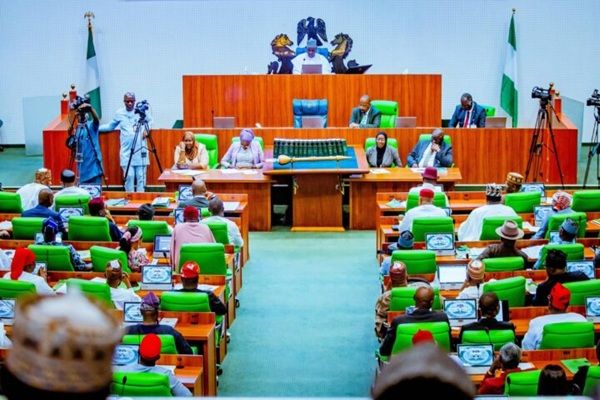
The proposed legislation, sponsored by Speaker Tajudeen Abbas, was thoroughly debated during Thursday’s plenary session and received overwhelming support to advance to the next stage of the legislative process.
Despite being Africa’s largest democracy, Nigeria has consistently recorded low voter turnout, with civic participation steadily declining. In the 2023 general elections, only about 27% of the over 93 million registered voters cast their ballots, raising concerns about the legitimacy of elected officials and the strength of democratic representation.
In response, the bill aims to make voting compulsory, with the goal of improving civic engagement and ensuring broader, more inclusive participation in governance.
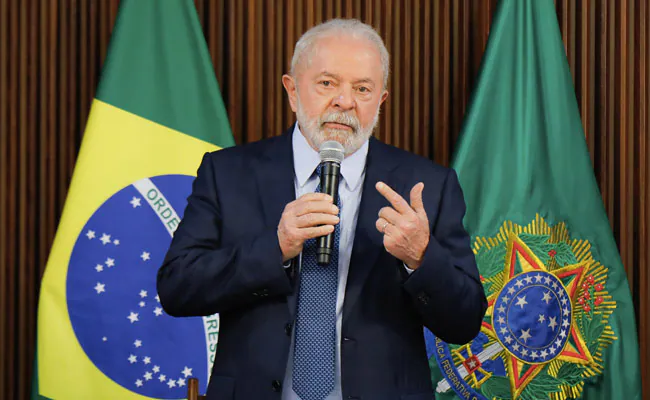
Mandatory voting is not without precedent internationally. Countries like Australia, Belgium, and Brazil have enacted similar laws, achieving voter turnout rates consistently above 90%. Supporters of the policy argue that it enhances political accountability and fosters a stronger sense of civic duty. However, critics have raised issues related to personal freedom, voter coercion, and the practical challenges of enforcement.
During the debate, Speaker Abbas emphasized that the proposed law would deepen Nigeria’s democracy by ensuring that citizens fulfill their civic responsibility to vote. He assured that the bill would include measures to support implementation, such as voter education, improved access to polling units, and clearly defined enforcement mechanisms.
Opposition to the bill focused on logistical and ethical concerns, especially regarding enforcement in rural areas and conflict-prone regions. Some lawmakers also expressed unease over the idea of penalizing individuals for choosing not to vote, citing potential violations of personal liberties.
Despite these concerns, the bill was unanimously passed through a voice vote and has been referred to the relevant committee for further legislative review.