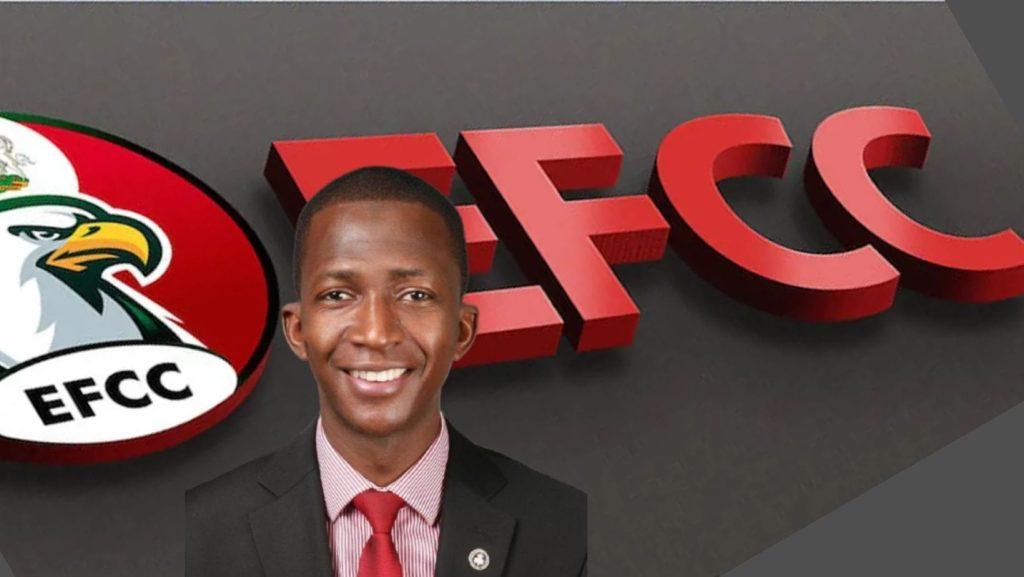
Former Chairman of the Economic and Financial Crimes Commission (EFCC), Abdulrasheed Bawa, has revealed that Nigeria lost over $450 million (approximately ₦68 billion) to petroleum subsidy fraud between 2006 and 2012 under the Petroleum Support Fund (PSF) scheme.
The revelations are contained in Bawa’s new book titled “The Shadow of Loot & Losses: Uncovering Nigeria’s Petroleum Subsidy Fraud”, where he chronicles the scale of corruption that plagued Nigeria’s subsidy regime over the years.
Bawa, who led investigations into the scandal as part of a special EFCC task force before becoming EFCC chairman in 2021, said 59 out of 141 participating oil marketing companies were implicated in the fraud.
“Our investigations revealed that, as admitted by the oil marketing companies involved, fraud related to petroleum subsidies exceeded N68 billion, which translates to over $450 million in direct fraudulent activities,” Bawa wrote.
He disclosed that while 80% of the stolen funds had been recovered, the remaining were tied up in ongoing court cases or lost due to the death of indicted individuals.
Years of Loss, Billions Unaccounted
Bawa’s breakdown reveals a surge in fraudulent subsidy claims from 2008 to 2011, with 2011 emerging as the worst year, accounting for ₦41.7 billion in fraudulent activities. There were no documented cases in 2006 and 2007, but from 2008 to 2010, losses steadily climbed:
- 2008: ₦11.5 billion
- 2009: ₦4.88 billion
- 2010: ₦10.3 billion
In addition to confirmed fraud, EFCC investigators uncovered attempted fraud of ₦9.4 billion, where marketers allegedly altered vessel documentation to manipulate subsidy payouts although the scheme was ultimately foiled.
Bawa criticized the subsidy regime as a fiscal black hole, stating that the funds lost could have been directed towards “critical infrastructure, education, healthcare, and social welfare programs.”
“The drain on public resources exacerbated fiscal deficits and resulted in cuts to crucial sectors,” he noted.
N16.5 Trillion in Subsidies Since 1999
Bawa’s book outlines that Nigeria has spent over ₦16.5 trillion on petrol subsidies since the return of democracy in 1999. Of that amount, ₦5.755 trillion was disbursed between 2006 and 2012 alone, largely under the controversial PSF scheme.
“The year 2011 marked the peak, with subsidy payments hitting ₦2.10 trillion. Following EFCC investigations and public pressure in 2012, the payments dropped to ₦1.35 trillion despite no significant change in national fuel consumption,” Bawa wrote.
‘Gold Mine’ of Fraud: PPPRA Permits and Briefcase Companies
Bawa detailed how PPPRA import permits became a “gold mine” between 2010 and 2011, with politically connected or inexperienced companies receiving licenses to import fuel without the required operational capacity.
“Many of these companies were shell or ‘briefcase’ firms, inserted into the system through political patronage,” he alleged.
He also blamed the fraud for fuel shortages, inflation, and a climate of foreign investment hesitation, particularly in the downstream petroleum sector.