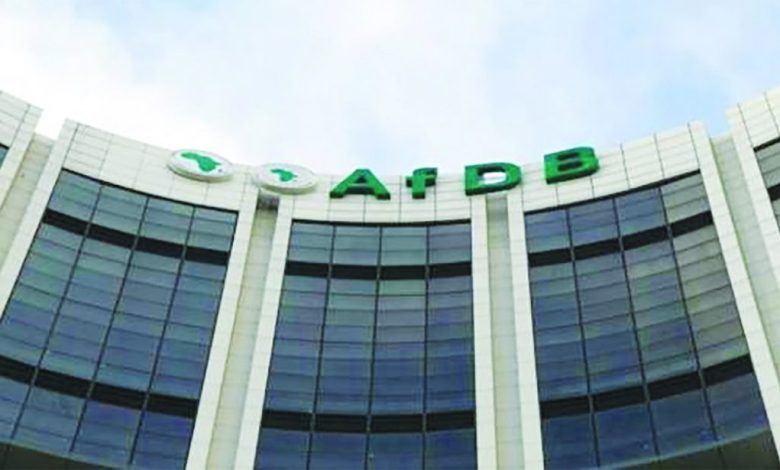
This week, the African Development Bank (AfDB) will convene in Abidjan, Côte d’Ivoire, to elect a new president, as incumbent Akinwumi Adesina prepares to step down in September after completing two five-year terms the maximum allowed.
Candidates from South Africa, Senegal, Zambia, Chad, and Mauritania are vying to lead the continent’s largest development finance institution, which plays a pivotal role in funding infrastructure and economic development across Africa.
To secure the presidency, a candidate must first win over 50.01% of the vote from the 54 African member states, and then gain majority support in a second round of voting involving all 81 members, including influential non-African stakeholders such as the United States, Japan, China, and various European countries.
The winner will be announced on Thursday.
A Critical Transition Amid Financial Challenges
The election comes at a crucial moment for the bank. The U.S. federal government has proposed a $555 million cut to its contributions to both the AfDB and its concessional arm, the African Development Fund (ADF) a potential blow to the institution’s financial capacity.
According to Hannah Ryder, founder of the Africa-focused consultancy Development Reimagined, the incoming president will face a significant challenge in navigating the fallout from these cuts.
“They will need to either persuade the U.S. to reverse its decision, attract additional funding from non-regional partners like China, Saudi Arabia, or the UAE likely in exchange for greater influence or push African member states to increase their own contributions.”
Global Uncertainty and Political Headwinds
The bank’s leadership change also coincides with a broader trend of declining bilateral aid to African nations linked in part to shifting political priorities in the U.S. and other donor countries.
Fred Muhumuza, a lecturer at Makerere University’s business school in Uganda, suggested the meeting would likely address these wider geopolitical shifts.
“Many of the key contributors have been cutting bilateral support to African countries,” he said, referencing broader implications of global politics and the potential return of U.S. policy under a second Trump administration.
Nigeria Holds the Largest Stake
Nigeria, Adesina’s home country, remains the AfDB’s largest shareholder, giving it a powerful voice in the election. Alongside other G7 countries such as the United States and Japan, Nigeria plays a key role in shaping the bank’s direction.
As the AfDB prepares for its next chapter, all eyes are on Abidjan and on who will steer the institution through an era of growing economic demands and shrinking donor commitments.