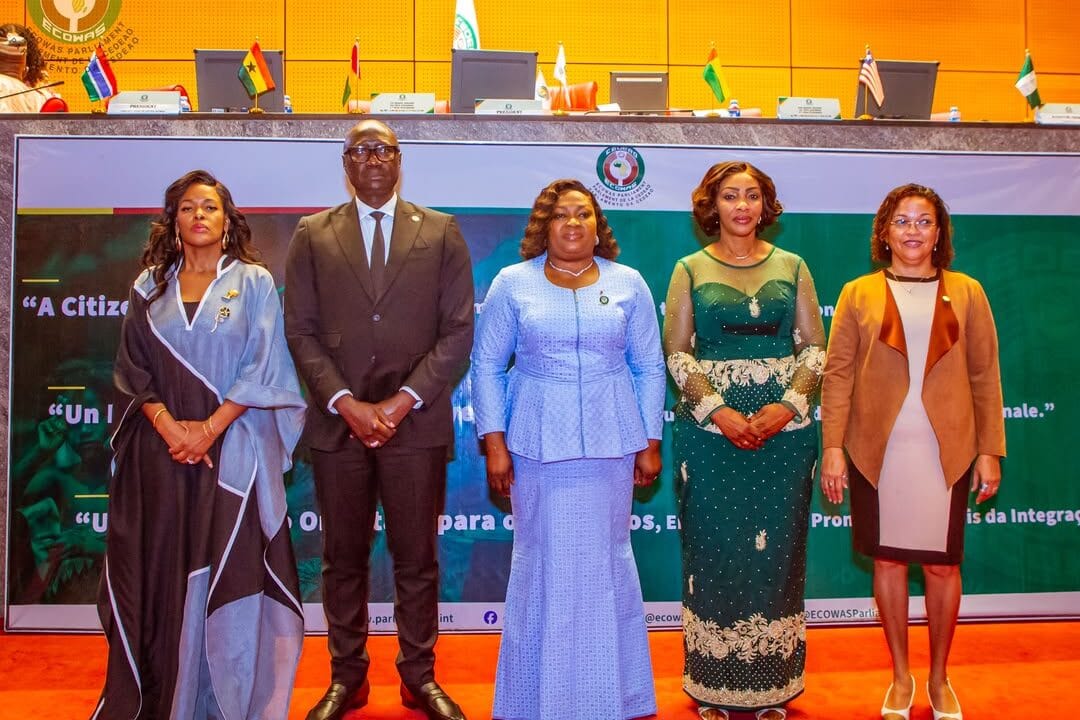
The ECOWAS Parliament has called for stronger legislative and oversight powers to enable it to play a more influential role in regional policymaking and address challenges confronting citizens across West Africa.
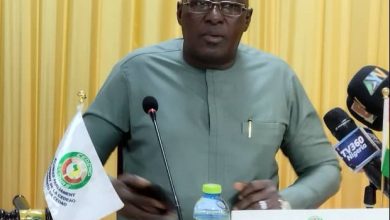
Speaker of the Parliament, Hajia Memounatu Ibrahima, made the call while declaring open the Second Ordinary Session of the ECOWAS Parliament for 2026 in Abuja.
Ibrahima said the regional legislature must move beyond observing developments in the Community to becoming a stronger political voice for citizens, capable of influencing policies and holding regional institutions accountable.
She stressed that growing security threats, economic uncertainties, political instability and other regional challenges required closer collaboration among ECOWAS institutions.
“The ECOWAS Parliament must therefore not remain a mere observer of the ongoing transformations. It must establish itself as a strong and legitimate political voice of the people; an influential actor; and a powerful instrument for bringing institutions closer to citizens,” she said.
Describing West Africa as being at a crossroads, the Speaker said prevailing geopolitical and strategic developments had exposed the region’s economic, security, social, climate and technological vulnerabilities.
She assured the President of the ECOWAS Commission, retired General Birame Diop, and other Community institutions of Parliament’s readiness to strengthen cooperation in advancing regional integration.
Ibrahima also welcomed the Lungi Declaration, which reaffirmed ECOWAS leaders’ commitment to strengthening the Parliament’s legislative and oversight responsibilities.
She said sustainable regional integration depended on credible institutions, public trust, democracy, justice and respect for the rule of law.
The Speaker commended Cabo Verde for the peaceful conduct of its November 15 electoral process and congratulated President José Maria Neves on his re-election, while expressing hope that forthcoming elections in The Gambia and Nigeria would be peaceful and democratic.
On the session’s agenda, she said lawmakers would consider the ECOWAS Commission President’s Strategic Plan, the Report on the State of the Community, country reports and findings from parliamentary oversight missions.
The proposed 2027 Community Budget is also expected to feature prominently, with Ibrahima urging lawmakers to ensure transparency, accountability and prudent management of regional resources amid economic pressures and challenges surrounding the remittance of the Community Levy.
She stressed that budgetary allocations and expenditures must be guided by efficiency, relevance and measurable impact on the lives of citizens.
Meanwhile, the President of the ECOWAS Commission, retired General Birame Diop, called for renewed regional solidarity and stronger parliamentary diplomacy to tackle security and economic challenges confronting the sub-region.
Diop identified terrorism and insecurity in the Sahel, including their spillover effects on coastal countries, as major threats requiring coordinated regional responses.
He also advocated renewed engagement with international partners, particularly the United States, to strengthen security cooperation and border safety.
On economic development, the Commission President said West Africa’s population of more than 400 million, abundant natural resources and entrepreneurial potential offered significant opportunities for transformation.
He emphasised the need for interconnected markets, trade liberalisation, improved customs procedures, digitalisation, industrialisation and regional value chains to drive economic growth.
Diop urged lawmakers to support the proposed ECOWAS Agenda 2050, particularly its priorities on peace and security, economic integration, sustainable development, human capital development, gender inclusion and digital transformation.
In her goodwill message, the President of the ECOWAS Community Court of Justice, Justice Charlyne M. Brumskine, called for stronger cooperation between the Court and Parliament to promote justice, accountability and human rights across the region.
Describing the two institutions as complementary pillars of regional integration, Brumskine said Parliament provided citizens with a political voice through its legislative and oversight functions, while the Court offered remedies for human rights violations.
She, however, stressed that the credibility of the Court depended largely on the enforcement of its judgments by member states.
The Court President also called for adequate and predictable funding, noting that investment in regional justice was critical to peace, good governance, human rights protection and sustainable development.
The two-week session is expected to provide lawmakers and Community institutions with an opportunity to review regional priorities, assess institutional performance and strengthen cooperation towards building a more integrated, peaceful and prosperous West Africa.