The Nigerian Government is set to conduct a new National Baseline Survey on illicit small arms and light weapons, ten years after the country’s first assessment in 2016. The plan was announced in Abuja at a workshop organised by the National Centre for the Control of Small Arms and Light Weapons to review lessons from the previous exercise.
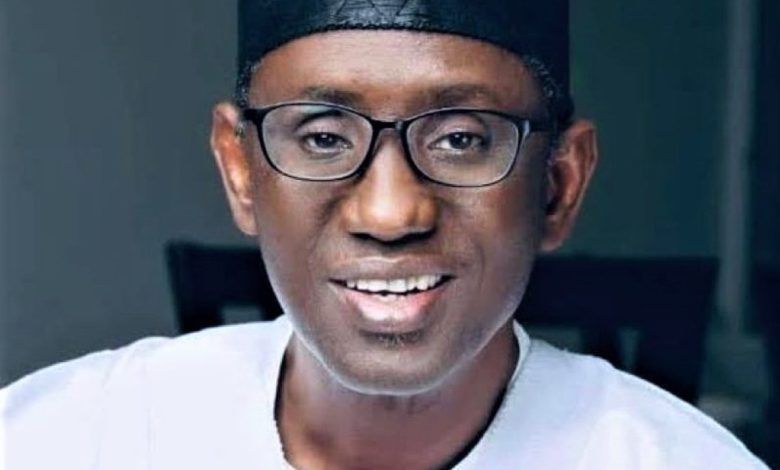
Representing the National Security Adviser, Nuhu Ribadu, the Director of External Affairs at the Office of the NSA, Solomon Fehintola, said the proliferation of illegal weapons remained a major driver of insecurity across the country. He linked the weapons to banditry in the North-West, farmer-herder conflicts in the North-Central, urban criminality and terrorist activities in the North-East.
Ribadu stressed that government could no longer rely on outdated figures to tackle the problem, saying security policies must be guided by credible and current data. He described an accurate national baseline as an important security tool for tracing illicit weapons, strengthening disarmament efforts and identifying trafficking routes.
The NSA also called for a coordinated approach involving security agencies, state and local governments, traditional and religious leaders, civil society groups and affected communities.
Also speaking, the Director/Deputy High Representative of the United Nations Office for Disarmament Affairs, Adedeji Ebo, said the 2016 data could no longer provide an accurate picture of Nigeria’s security situation. He stressed the need for updated information on the volume, sources and movement of illicit weapons across the country.
Ebo urged authorities to ensure that the new exercise captures information from communities, including traditional leaders, women and youth groups, farmers, fishers and survivors of armed violence.
In his remarks, the Director-General of the National Centre for the Control of Small Arms and Light Weapons, retired DIG Johnson Kokumo, said Nigeria’s changing security challenges and evolving trafficking routes made a fresh assessment necessary.
He added that the 2016 survey helped shape the country’s response to illicit arms, including the establishment of the NCCSALW.