Government says initiative will boost dairy production, meat processing and leather manufacturing while driving economic growth in rural communities……
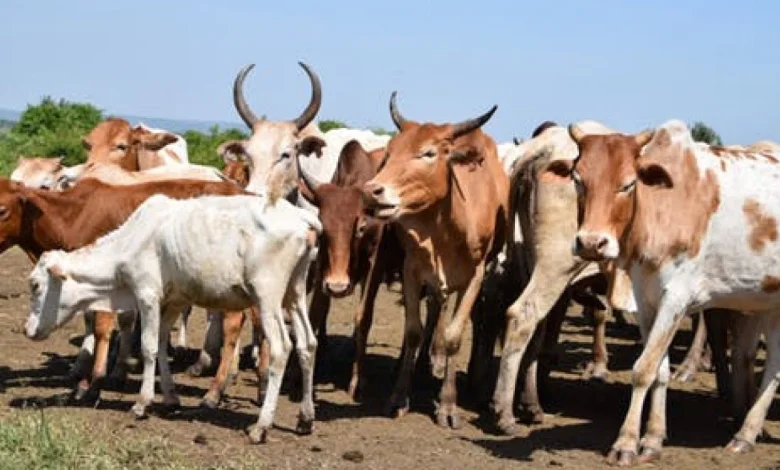
The Federal Government has unveiled plans to create about 7,000 direct jobs through a new estate-based ranching programme designed to expand livestock production, empower young people and women, and unlock fresh economic opportunities across rural Nigeria.
The initiative, being championed by the Federal Ministry of Livestock Development, forms part of a broader strategy to modernise Nigeria’s livestock sector and transform it into a major contributor to national economic growth.
Speaking during a strategic engagement with stakeholders, the Minister of Livestock Development, Idi Maiha, said the proposed ranching model would create structured opportunities for Nigerians to participate in commercial livestock production while promoting more sustainable and efficient farming practices.
According to the minister, the programme is expected to generate thousands of jobs directly while also stimulating activities across key segments of the livestock value chain.
“The programme is projected to create about 7,000 direct jobs while supporting growth across the dairy, red meat and leather value chains,” Maiha said.
Boosting a Multi-Billion-Dollar Industry
Maiha noted that the livestock sector remains one of Nigeria’s most underutilised economic assets, with significant potential in dairy production, meat processing, feed development and leather manufacturing.
He explained that the government’s goal is not only to increase livestock productivity but also to build an ecosystem that supports investment, value addition and job creation.
Particular emphasis is being placed on the dairy industry, which the minister described as a major economic opportunity capable of generating billions of dollars in value if properly developed.
To achieve this, he called for stronger collaboration between government institutions, financial organisations and private investors, stressing that the sector requires long-term financing solutions that reflect the realities of livestock production.
Unlike many conventional businesses, dairy farming often involves extended production cycles before returns can be realised, making access to patient capital crucial for sustainable growth.
Modern Abattoirs Planned Across States
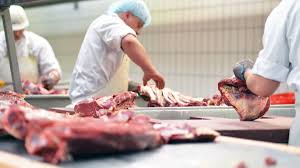
As part of efforts to strengthen livestock infrastructure, the ministry is also pursuing the establishment of modern abattoirs in selected states and the Federal Capital Territory.
According to the ministry, each facility will have the capacity to process at least 1,000 cattle daily, a move expected to improve meat quality, enhance food safety standards and reduce losses within the value chain.
Industry stakeholders believe the development could significantly modernise meat processing operations while improving efficiency across the sector.
Focus on Feed and Fodder Development
The government is also prioritising feed and fodder production as a key component of its livestock transformation agenda.
Maiha described animal nutrition as one of the most important factors affecting productivity and profitability in livestock farming.
To address existing challenges, the ministry plans to expand pasture cultivation across the country and establish feed resources closer to production centres.
Officials say the strategy will reduce transportation costs, improve efficiency and make livestock operations more sustainable for farmers.
Access Bank Signals Support
The programme has already attracted interest from the private sector.
During the engagement, Public Relations Manager of Access Bank, Jonathan Oloniyo, expressed the bank’s willingness to partner with the ministry in advancing initiatives aimed at unlocking the vast potential of Nigeria’s livestock economy.
The proposed collaboration is expected to explore financing solutions and investment opportunities that could accelerate growth across the industry.
With demand for dairy products, meat and leather goods continuing to rise, the Federal Government believes the estate-based ranching programme could serve as a catalyst for job creation, rural development and long-term economic diversification, while positioning livestock as a key driver of Nigeria’s non-oil economy.