State credits record earnings to tax reforms, digital revenue systems and strong fiscal discipline amid expanding infrastructure spending…..
The Lagos State Government says it generated a total revenue of ₦2.6 trillion in 2025, with internally generated revenue rising sharply to ₦1.87 trillion as the state intensified reforms in tax administration, digital collection systems and debt management.
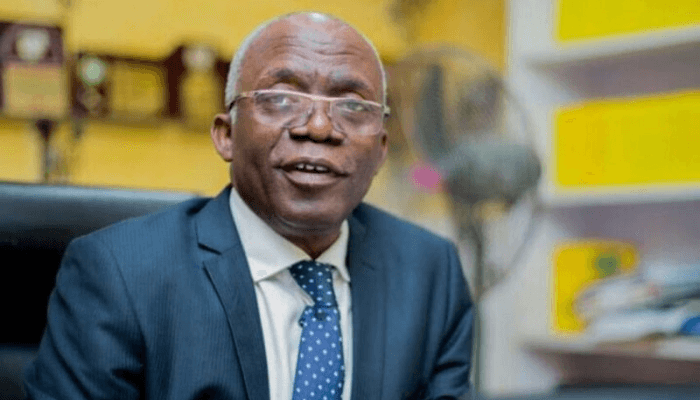
The Commissioner for Finance, Abayomi Oluyomi, disclosed the figures during the ministerial press briefing marking the seventh year of Governor Babajide Sanwo-Olu’s administration at the Bagauda Kaltho Press Centre in Alausa, Ikeja.
According to him, total revenue rose from ₦2.3 trillion in 2024 to ₦2.6 trillion in 2025, representing a 16 per cent increase, while IGR grew by 18.5 per cent from ₦1.58 trillion to ₦1.87 trillion within the same period.
Oluyomi also revealed that tax revenue performance recorded a historic surge, crossing the ₦1 trillion mark for the first time. Collections rose from ₦678.13 billion in 2023 to ₦1.045 trillion in 2024, before jumping further to ₦1.443 trillion in 2025, a 38 per cent year-on-year increase.
He attributed the strong revenue performance to ongoing digital transformation within the state’s tax system, as well as expanded enforcement and improved compliance frameworks.
According to him, the Lagos State Internal Revenue Service continues to broaden the tax base while closing leakages through technology-driven reforms aimed at sustaining long-term revenue growth and supporting the state’s growing infrastructure demands.
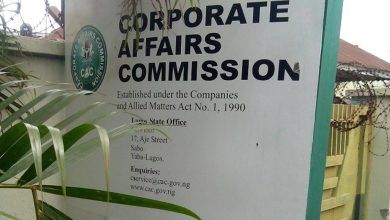
A key part of the reforms includes the expansion of the LIRS e-Tax platform, which now integrates services such as stamp duties, capital gains tax filing, geo-tagging, corporate registry links with the Corporate Affairs Commission, and expatriate tracking through the Nigeria Immigration Service.
The state also upgraded its digital tax infrastructure with a cloud-based mobile application designed to enhance data security and improve taxpayer access.
Multiple payment channels including mobile apps, POS systems, USSD, WhatsApp, and online platforms have also been strengthened to improve ease of payment and boost compliance.
On debt management, the commissioner said Lagos has maintained a disciplined fiscal framework while continuing to fund large-scale infrastructure projects through a mix of medium- and long-term borrowing and innovative financing structures.
He disclosed that the state successfully raised a ₦230 billion bond, the largest ever issued by a Nigerian sub-national government at a fixed rate of 16.25 per cent.
The funds were deployed across key sectors including health, housing, transport, agriculture, science and technology, and environmental sustainability.
Despite rising infrastructure commitments, Oluyomi said Lagos has maintained a Debt-Service-to-Revenue ratio of 19.2 per cent, well below the 30 per cent threshold set by fiscal responsibility guidelines.
He added that the state’s Total Debt-to-GDP ratio stands at 4.11 per cent, significantly lower than the World Bank benchmark of 20 per cent, underscoring what officials describe as sustainable debt management.
Lagos also continues to enjoy strong credit ratings, with Fitch Ratings reaffirming its AAA national rating, reflecting investor confidence in the state’s fiscal stability.
Projects financed through bonds and alternative funding models include the Opebi Link Bridge, Blue Line Rail Phase II, Massey Children’s Hospital, Lagos HOMS housing schemes, the redevelopment of Alaba Rago International Market, and a 280-bed multi-specialist hospital in Ojo.
Officials say the revenue growth reinforces Lagos’ position as Nigeria’s leading economic hub, driven by sustained reforms, technology adoption, and a focus on infrastructure-led development despite broader economic pressures.