Proposed NLNG-style partnership could see Chinese firms take 51% equity as Nigeria seeks to revive struggling refineries and attract long-term technical operators…..
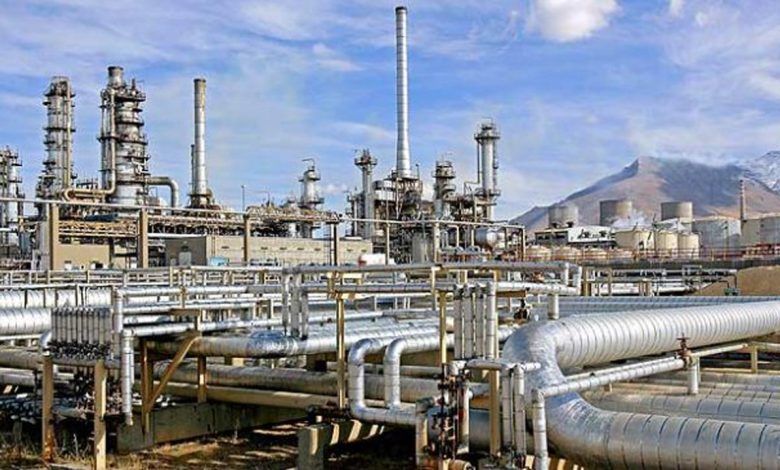
The Nigerian National Petroleum Company Limited is considering a major restructuring plan that could hand Chinese investors a controlling stake in the Port Harcourt and Warri refineries under a new equity partnership model designed to revive the country’s struggling refining sector.
The proposal follows the signing of a Memorandum of Understanding between NNPC Ltd and two Chinese companies Sanjiang Chemical Company Limited and Xinganchen (Fuzhou) Industrial Park Operation and Management Co. Ltd in what industry insiders describe as a long-term strategic investment arrangement rather than a conventional refinery repair contract.
The agreement, signed on April 30, 2026, in Jiaxing City, China, involved NNPC Group Chief Executive Officer, Bayo Ojulari, alongside Sanjiang Chemical Chairman, Guan Jianzhong, and Xinganchen Chairman, Bill Bi.
Although officially described as a “potential technical equity partnership,” multiple sources familiar with the negotiations revealed that the arrangement is being designed around an NLNG-style ownership structure that could give the Chinese firms approximately 51 per cent equity in the refinery assets.
According to insiders at the national oil company, the model under discussion would allow the foreign investors to participate not only in funding and rehabilitation but also in governance, operations, and long-term commercial management of the facilities.
The proposed deal marks a significant shift from Nigeria’s previous refinery rehabilitation strategy, where foreign firms were engaged primarily as engineering and construction contractors.
Under the emerging framework, the Chinese companies are expected to help complete unfinished engineering, procurement, and construction works at both the Port Harcourt and Warri refineries while also overseeing operations and maintenance aimed at improving efficiency and profitability.
Sources said the broader vision goes beyond fuel refining, with plans being considered for petrochemical production, gas-based industries, and the development of industrial hubs around the refinery complexes.
“The scope covers refinery expansion, optimisation of production yields, petrochemical integration, cleaner fuel standards, and gas-based industrial projects,” one senior official familiar with the talks disclosed.
Speaking after the signing ceremony, Ojulari described the agreement as a major milestone reached after months of engagement between both sides.
He said the parties identified “mutually beneficial opportunities” capable of transforming NNPC’s refining assets into commercially sustainable operations while creating long-term profitability.
According to him, the agreement is part of a broader effort to identify technical equity partners capable of restarting and expanding Nigeria’s refineries.
Findings, however, showed that the current agreement remains non-binding and serves mainly as a framework for continued negotiations. Any final transaction would still require technical, legal, commercial, and regulatory approvals before binding agreements are signed.
Industry analysts say the move signals growing concerns within NNPC over the sustainability of previous refinery rehabilitation arrangements, especially after years of failed turnaround maintenance efforts and repeated delays in restoring domestic refining capacity.
The Executive Secretary of the Major Energies Marketers Association of Nigeria, Clement Isong, described the equity model as a more sustainable approach because investors with ownership stakes would be motivated to ensure the facilities operate efficiently.
He noted that unlike traditional contractors, equity partners stand to benefit directly from refinery performance and profitability.
“This changes the structure completely because the investor becomes a part-owner. Naturally, they would want the refineries to function efficiently so they can recover returns on their investments,” Isong said.
He added that bringing in technically competent operators could address longstanding concerns about NNPC’s capacity to independently manage the country’s ageing refinery infrastructure.
Nigeria has spent billions of dollars over the years attempting to rehabilitate state-owned refineries with little success. The Port Harcourt refinery rehabilitation was previously awarded to Italian engineering company Maire Tecnimont, while separate repair works were also initiated at the Warri refinery.
If completed, the proposed arrangement would significantly deepen Chinese participation in Nigeria’s downstream petroleum sector and potentially reshape the future ownership and management structure of the country’s refining industry.