FX transparency, bank recapitalisation, and rising reserves signal shift from stabilisation to capital mobilisation…..
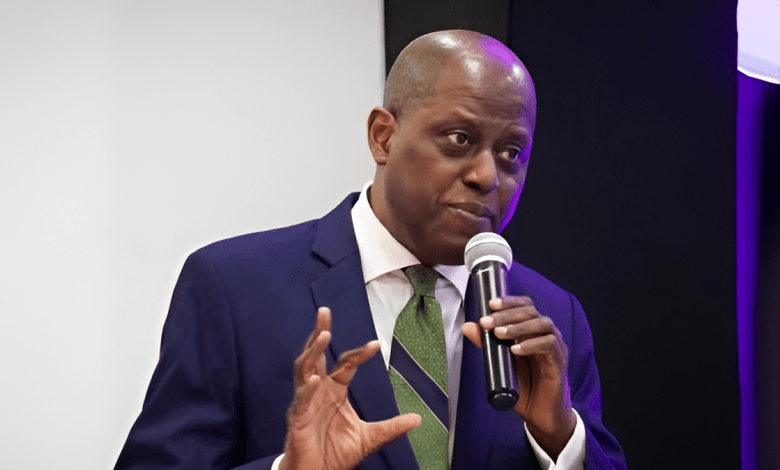
Governor of the Central Bank of Nigeria, Olayemi Cardoso, has said recent monetary and financial sector reforms are improving Nigeria’s resilience to external shocks while restoring confidence among both local and foreign investors.
Speaking at the Africa Capital Forum in London held alongside the state visit of Bola Tinubu to the United Kingdom Cardoso outlined key policy changes that he said are repositioning the economy for sustained growth.
The forum, themed “From Stabilisation to Capital Mobilisation,” was hosted by the CBN in partnership with the UK’s Foreign, Commonwealth and Development Office.
According to Cardoso, a combination of policy tightening and institutional reforms has strengthened the country’s financial system, enabling it to better absorb global economic shocks.
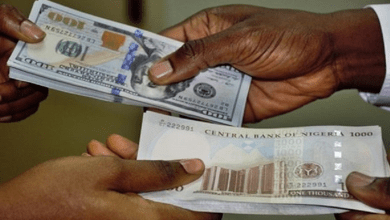
A major highlight of the reforms is the overhaul of Nigeria’s foreign exchange framework. The CBN governor noted that the FX market is now more transparent and liquid, supported by a new operational manual that has simplified trade and investment processes while removing several capital controls.
He also disclosed that the apex bank has completed a new national payments vision aimed at enhancing Nigeria’s competitiveness in digital and cross-border transactions, particularly as financial technology continues to reshape global finance.
On the banking sector, Cardoso revealed that more than 30 financial institutions have already met the new capital requirements, with verification ongoing for others. Notably, about 28 percent of the funds raised in the recapitalisation process came from foreign investors, a development he described as a clear vote of confidence in Nigeria’s financial system.
The governor added that diaspora remittances have picked up in recent months, helping to diversify the country’s foreign exchange inflows beyond traditional oil earnings.
Cardoso also pointed to improving macroeconomic indicators, stating that inflation has begun to ease while exchange rate stability has strengthened under the current policy regime.
“We will continue to maintain stability, not only on inflation, but in the FX market, with more transparency and consistent reporting,” he said, adding that the central bank remains focused on protecting recent gains to allow investors and businesses to plan with greater certainty.
He further emphasised the importance of coordination between monetary and fiscal authorities, noting that recent governance changes such as the inclusion of fiscal representatives in key decision-making bodies are helping to align policy direction.
Beyond macroeconomic reforms, the CBN is also engaging financial technology firms to remove regulatory bottlenecks and support innovation across the digital finance ecosystem.
Other officials at the forum echoed the governor’s optimism. Muhammad Sani Abdullahi said Nigeria has achieved a notable degree of macroeconomic stability, citing stronger reserves, a more stable FX market, and moderating inflation while cautioning that policymakers remain vigilant.
Similarly, Philip Ikeazor stressed that the reforms are designed to outlast the current administration, with broad stakeholder alignment reducing the risk of policy reversals.
International partners also weighed in on Nigeria’s reform trajectory. Jonny Baxter noted that the next challenge will be converting renewed investor interest into tangible, long-term capital inflows.
From the European perspective, Odile Renaud-Basso highlighted Nigeria’s growth potential, pointing to its large population, expanding technology adoption, and increasing openness to investment.
Meanwhile, Steve Gray underscored the importance of transparency in sustaining investor trust, while Melis Ekmen Tabojer said recent policy shifts are already influencing investor sentiment and decision-making.
Representing the federal government, Sanyade Okoli said the focus is now on attracting “sticky” long-term capital, particularly equity investments, to drive sustainable growth.
With banking leaders and policymakers aligned on reform priorities, Nigeria appears to be entering a new phase one aimed not just at stabilising the economy, but at unlocking investment flows needed to power long-term development.