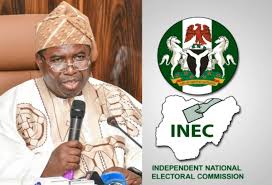
Nigeria has taken a major step to reshape its electoral system following the enactment of the Electoral Act, 2026, a law designed to tighten accountability, strengthen transparency and better prepare the country for the 2027 general elections.
Under the new legal framework, Resident Electoral Commissioners now face up to two years in prison if they fail to release critical election documents within the legally required timeframe. Lawmakers say the provision is aimed at preventing delays and obstruction that have often fuelled post-election disputes.
The legislation also secures financial independence for the Independent National Electoral Commission by creating a special election fund. This ensures that resources for conducting elections will be made available well ahead of time, allowing the commission to plan and operate without funding uncertainties.
In addition, the law reinforces the use of technology in elections. Electronic accreditation of voters and digital transmission of results have now been fully backed by law, with penalties introduced for officials who deliberately undermine the process.
The Act also eliminates indirect primaries, requiring parties to select candidates either through direct voting by members or consensus arrangements. Campaign spending limits have been increased, reflecting rising campaign costs, but authorities say monitoring mechanisms will be strengthened to prevent abuse.
Lawmakers say the reforms are the result of extensive consultations and are intended to rebuild public confidence in elections, reduce manipulation and promote credible outcomes.