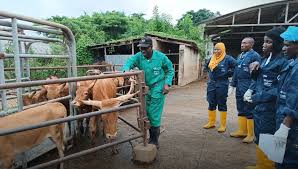
Nigeria’s livestock sector faces serious challenges from the misuse of veterinary medicines, the Federal Government has warned. Officials emphasised the urgent need for quality control, proper vaccination, and regulatory reforms to protect both animals and humans.
During a stakeholders’ forum in Abuja, Minister of Livestock Development, Idi Mukhtar Maiha, highlighted the dangers of substandard and falsified veterinary products, weak regulatory compliance, and poor oversight of manufacturing and distribution channels.
“Many farmers unknowingly buy poor-quality drugs, leading to treatment failures, economic losses, and avoidable livestock deaths”, Maiha said. He also warned that antimicrobial misuse could create resistant pathogens that threaten public health and the environment.
In his remarks, Chief Veterinary Officer, Samuel Anzaku, stressed the role of the National Veterinary Research Institute (NVRI) in producing reliable vaccines. “A bad vaccine is worse than no vaccine,” he said, noting that counterfeit or ineffective vaccines undermine farmers’ confidence and livestock health.
Furthermore, Executive Director of NVRI, Nicholas Nwankpa, called for stronger community-level vaccination delivery, particularly through Community Animal Health Workers (CAHWs), and for digital systems to improve vaccine approval efficiency.
Country Representative for Propcom+, Adiya Ode, cited studies showing that while annual poultry vaccine demand reaches 165 million doses, domestic production only meets about 25% of national needs, making the sector heavily reliant on imports.
Stakeholders agreed on the need for coordinated reforms to improve supply chains, enhance cold-chain accountability, strengthen surveillance, and ensure veterinary products are safe, effective, and accessible.