
Vietnam Airlines and Carriers Ink $36.9 Billion Deals with US Aerospace Firms

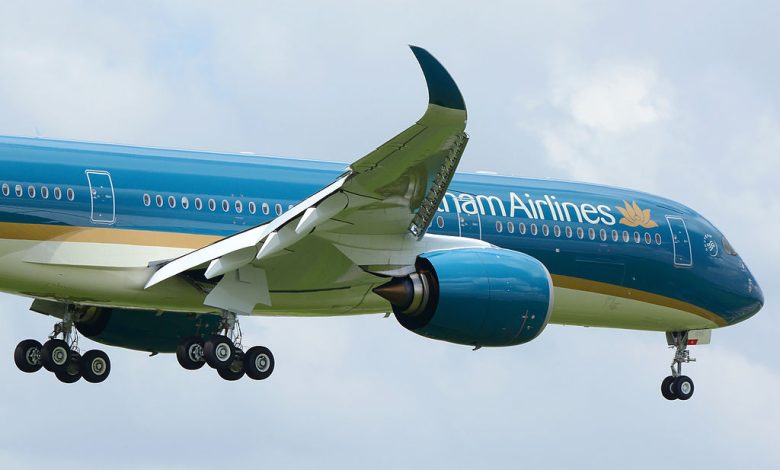
Three Vietnamese airlines have announced nearly $37 billion in aircraft and service contracts with US aerospace companies, marking one of the largest aviation procurement deals in Southeast Asia this year.
The agreements come as Hanoi and Washington continue trade negotiations over US tariffs on Vietnamese goods, currently set at 20 percent. Despite these tariffs, Vietnam posted eight percent economic growth last year, defying predictions of a slowdown in its export-driven economy.
Major Aircraft Orders
Fledgling airline Sun PhuQuoc Airways, founded just a year ago, placed an order for 40 Boeing 787 Dreamliners, valued at an estimated $22.5 billion. The airline said the purchase reflects its strategy to “build a truly intercontinental network.”
Vietnam’s national carrier, Vietnam Airlines, signed an $8.1 billion deal for around 50 Boeing 737-8 aircraft and opened discussions for a potential additional order of about 30 wide-body planes. Chairman Dang Ngoc Hoa described the agreement as “a solid foundation for our ambition to become a leading airline by 2030.”
Low-cost carrier Vietjet Air also announced two contracts totaling $6.3 billion. Approximately $5.4 billion will fund engine maintenance and supplies for 44 Airbus A320 aircraft from US manufacturer Pratt & Whitney, while about $960 million will go toward leasing six Boeing 737 planes from Griffin Global Asset Management.
Trade and Economic Context
The signings coincided with Vietnamese leader To Lam’s visit to Washington, where he is expected to participate in the inaugural meeting of US President Donald Trump’s “Board of Peace.”
This week marked the sixth round of trade talks between the two countries, though no final agreement has been reached. Last year, Vietnam’s exports to the US surged 28 percent, while its trade surplus with Washington reached $134 billion.
Vietnam had initially faced some of the highest tariffs under Trump’s 2025 “Liberation Day” tariff blitz, ranking third globally after China and Mexico. By July, Hanoi negotiated a minimum 20 percent tariff in exchange for opening its market to US products, including automobiles.
Vietnam’s Growth Ambitions
Vietnam continues to be a standout in Asia’s economic landscape, targeting at least 10 percent GDP growth this year. The country aims to achieve middle-income status by 2030 while expanding its aviation sector as a driver of international trade and regional connectivity.


