Generation companies warn liquidity crisis is deepening, say mounting unpaid invoices threaten power supply, investment, and sector stability…..
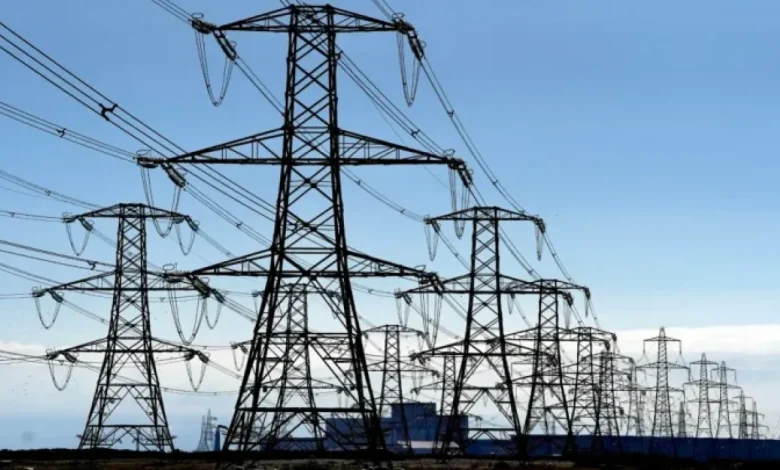
Power Generation Companies operating under the umbrella of the Association of Power Generation Companies have raised fresh concerns over the future of electricity supply in Nigeria, revealing that unpaid invoices for power generated and delivered to the national grid have climbed to about N6 trillion.
The group said the rising debt profile, driven largely by revenue shortfalls and weak remittances across the electricity value chain, is putting severe financial pressure on generation companies, limiting their ability to fund critical operations such as maintenance, fuel procurement, and capacity expansion.
The companies also pushed back strongly against allegations by the Nigeria Labour Congress, which accused electricity firms of engaging in what it described as “institutionalised extortion.” According to the generation companies, such claims distort the realities of a sector battling deep structural and liquidity challenges.
Chief Executive Officer of the Association, Joy Ogaji, made the position known in a statement issued Wednesday while responding to recent comments by organised labour. She accused the labour movement of promoting what she described as a simplistic and inflammatory narrative that overlooks the underlying problems facing the industry.
Ogaji said while the frustrations of Nigerians over unstable electricity supply are understandable, branding the legitimate operations of power firms as exploitation or deception misrepresents the facts and undermines ongoing efforts aimed at stabilising the electricity market.
She noted that generation companies, which account for more than 60 percent of market receivables based on invoiced electricity, remain the most financially exposed participants in the power value chain, with outstanding unpaid invoices now exceeding N6 trillion.
The Association maintained that GenCos are open to transparency and accountability, stating that their financial records are available for forensic examination if required. It added that any such review must focus on identifying the real causes of the sector’s persistent liquidity crisis rather than reinforcing misleading narratives.
The group also dismissed suggestions that government financial interventions in the sector are politically motivated or designed to serve hidden interests ahead of elections, describing such claims as baseless and unfair to professionals working to keep the power industry afloat. According to the Association, continued misrepresentation of the sector’s financial realities could weaken investor confidence and further worsen electricity shortages.
GenCos urged organised labour to adopt a more constructive approach by engaging stakeholders in resolving the sector’s challenges instead of escalating tensions, stressing that coordinated reforms are essential to address longstanding structural weaknesses.
The dispute comes on the heels of remarks by President of the Nigeria Labour Congress, Joe Ajaero, who recently accused electricity companies of exploiting consumers through tariff adjustments and alleged hidden subsidies. The labour union also threatened possible industrial action, raising concerns about further instability in the already fragile power sector.
Nigeria’s electricity industry has struggled with chronic liquidity problems since its privatisation in 2013. Analysts say persistent revenue collection gaps, tariff shortfalls, and operational inefficiencies have led to mounting debts across the value chain, with generation companies owed significant sums by the bulk electricity trader and distribution companies.
Despite several government interventions, including payment guarantees and financial support mechanisms, the sector continues to face funding constraints that have limited investment in generation capacity and critical infrastructure.
Energy experts warn that unless the liquidity crisis is urgently addressed, Nigeria risks a further decline in electricity supply, with potential consequences for economic productivity, industrial performance, and overall growth.
The generation companies reaffirmed their commitment to sustaining electricity production but emphasised that decisive policy actions and market reforms are urgently required to restore investor confidence and stabilise the country’s power sector.