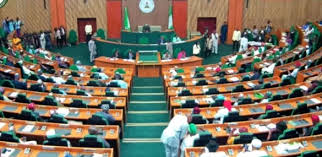
The House of Representatives has announced plans to reconvene for an emergency plenary session on Tuesday, February 17, 2026, to deliberate on issues arising from the recently released 2027 General Election timetable by the Independent National Electoral Commission (INEC).
The decision was disclosed in a statement issued by the House spokesperson, Hon. Akin Rotimi, who revealed that lawmakers were formally notified through an internal memorandum from the Office of the Speaker late Friday.
The memo underscored the constitutional weight and national significance of INEC’s announcement, stressing the need for swift legislative engagement.
According to the statement, the emergency sitting reflects the House’s readiness to respond decisively to developments that bear far-reaching consequences for Nigeria’s democratic process. Lawmakers are expected to focus on legislative considerations connected to the election timetable, in keeping with the constitutional mandate of the National Assembly.
“All legislative business relating to the matter will be addressed with urgency,” the statement noted, urging members to prioritise attendance given the gravity of the deliberations.
The House reaffirmed its commitment to strengthening democratic institutions through proactive, responsible lawmaking, assuring Nigerians that its actions will be guided solely by the national interest.
INEC had earlier announced that presidential and National Assembly elections would take place on February 20, 2027, while governorship and state assembly elections are scheduled for March 6, 2027.
The commission also fixed party primaries for the nomination of candidates between May 22 and June 20, 2026.
The timetable, however, has sparked public debate. Some Nigerians—particularly within the Muslim community—have expressed concern that the February 20 presidential election date falls within the holy month of Ramadan, a period marked by fasting and increased religious devotion.
They argue that the physical demands of fasting could affect voter turnout, logistics, and the performance of election officials and observers.
Among prominent voices raising concerns is former Vice President and former presidential candidate of the Peoples Democratic Party (PDP), Atiku Abubakar, who urged INEC to reconsider the proposed date in light of its potential overlap with Ramadan.
Responding to the concerns, INEC, in a statement signed by its National Commissioner and Chairman of the Information and Voter Education Committee, Mohammed Haruna, maintained that the timetable was formulated in strict compliance with the Constitution of the Federal Republic of Nigeria, 1999 (as amended), the Electoral Act, 2022, and the INEC Regulations and Guidelines for the Conduct of Elections, 2022.
Haruna noted that the regulations, which have been in effect since 2019, clearly stipulate timelines for the conduct of elections. Nonetheless, he disclosed that the Commission is engaging in consultations and may, where necessary, seek legislative intervention to address the concerns raised—provided any adjustments remain consistent with constitutional and statutory provisions.
“INEC reiterates its unwavering commitment to transparency, inclusivity, and the credible conduct of the 2027 General Election,” the statement said, assuring the public that further updates will be communicated as discussions progress.