The Federal Government has called on state authorities to strengthen their commitment to the Hormonal Intrauterine Device (HUID) programme, emphasizing state-level responsibility as key to expanding access to modern contraceptives and improving reproductive health outcomes.
Health Minister, Ali Pate delivered the message on Friday in Abuja during a closing and dissemination meeting on the HUID project in Ebonyi and Kogi states. Represented by the Head of Family Planning at the Federal Ministry of Health, Pharm. Alex Ogochukwu, he stressed that sustainability depends on state governments assuming full ownership of the initiative.
“This meeting is not just to wrap up the project, but to review achievements, identify challenges, and plan for continued implementation at the state level. We want to ensure that the benefits of HUID services reach more women and that states can maintain and grow the programme independently”, Ogochukwu said.
The HUID scale-up began in 2024 in Sokoto, Bauchi, and Plateau, later expanding to Ebonyi and Kogi, with Anambra and Kwara slated for this year. Project Manager at EngenderHealth, Afolabi Ahmed, noted that the intervention targeted gaps in skilled service providers for HUID across the country.
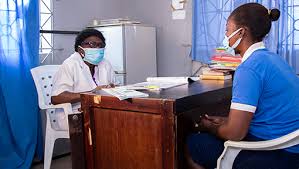
“In the past 10 months, 150 medical personnel were trained in Ebonyi and another 150 in Kogi, covering 25 health facilities in each state. The training included five days of intensive instruction followed by six months of mentoring, resulting in a noticeable increase in women accessing HUID services”, Ahmed said.
Despite the progress, Ahmed highlighted challenges with limited state budget allocations and delays in fund disbursement, which could affect long-term programme sustainability.
Kogi State Commissioner for Health, Abdullazeez Adeiza, praised EngenderHealth’s support, noting strong uptake of HUID services. He revealed that Governor Usman Ododo had approved state funding to purchase necessary equipment, ensuring the programme continues beyond the initial project period.
The meeting brought together key stakeholders from Ebonyi and Kogi, reflecting growing state commitment to family planning and reproductive health services.