EU Programme Boosts Digital Skills for Women, Youth, and Persons with Disabilities in Borno and Yobe

A European Union-funded initiative has successfully boosted digital skills for women, hard-to-reach youth, and persons with disabilities in Borno and Yobe States, equipping communities with tools for economic opportunity and inclusive growth over the past three years.
The programme, which ran from 2023 to 2026 and was implemented by ZOA International with €750,000 in funding, aimed to reduce the digital divide and strengthen community-level capacity in fragile contexts.
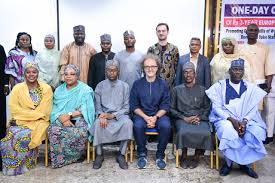
The closing ceremony in Maiduguri brought together EU representatives, implementing partners, civil society organisations, and state officials to review achievements and lessons learned.
Over the course of the initiative, 18,193 individuals received digital skills training, 32 IT hubs were established, six schools gained IT access, and a Digital Literacy Working Group was formed to support coordination and long-term sustainability.
Head of Cooperation at the EU Delegation to Nigeria and ECOWAS, Massimo De Luca, highlighted the programme’s role in inclusive, people-centred digital development. “Digital inclusion is essential for resilience, innovation, and meaningful participation in the economy. Projects like this empower communities, strengthen institutions, and drive long-term growth,” he said.
ZOA Programme Manager, Godwin Dominic, noted that the initiative has left a lasting impact by building local capacity and creating opportunities for sustainable digital engagement.
Representing Borno State Government, the Executive Secretary of the Borno Information and Communication Technology Development Agency (BICTDA), Mohammed Wanori, praised the initiative for aligning with state development priorities and expanding opportunities for women and youth.
Stakeholders emphasized turning digital skills into real-world opportunities, supporting local entrepreneurship, job creation, and community-led initiatives that will keep women, youth, and persons with disabilities at the forefront of North-East Nigeria’s digital transformation.