Nigeria House of Representatives on Thursday passed the 2026 budget estimates of N58.473 trillion through Second Reading. The budget, presented by President Bola Tinubu to a joint session of the National Assembly in December 2025, is now set for detailed scrutiny by the House Committees.
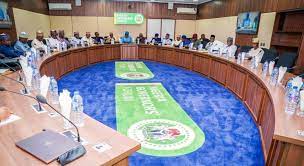
Ahead of the plenary session, Speaker Abbas Tajudeen, directed the Majority Leader, Hon. Julius Ihonvbere, to move a motion to suspend the rules and dissolve the executive session, which was seconded by Deputy Minority Leader, Hon. Aliyu Madaki. The executive session lasted approximately 32 minutes, after which many lawmakers left ahead of debates on the Appropriation Bill and a bill to amend the Electoral Act, 2022, regulating elections in the Federal Capital Territory.
While presenting an overview of the 2026 budget, Hon. Ihonvbere acknowledged the challenges involved in driving economic growth, stressing the need for the House to support the executive in navigating Nigeria’s fiscal and political complexities.
He highlighted key economic indicators, noting that Nigeria’s GDP grew by 3.98% before the 2026 budget, inflation has fallen to 14.45%, revenues and exports have increased, and foreign investments are on the rise. Ihonvbere also cited the administration’s international engagements, including the recent visit to Turkey, as evidence of efforts to attract foreign partnerships and investments.
The lawmaker praised the government for fiscal discipline, pointing out that the external reserves are at a seven-year high of 47 billion U.S. dollars, sufficient to cover over ten months of imports, and emphasised that no new currency has been printed since the current administration took office.
Ihonvbere urged his colleagues to back the budget, noting that it prioritises security, defence, infrastructure, education, and health. He described the 2026 budget as “a budget of consolidation, renewed resilience, and shared prosperity” and called on lawmakers to work collaboratively with the executive to deliver on its promises.
Tajudeen subsequently referred the Appropriation Bill to the Committee on Appropriation, with all standing committees acting as sub-committees, for further legislative review and detailed consideration.