
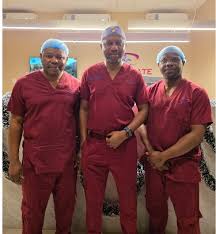
Medical experts in Nigeria are urging early diagnosis of gynaecological conditions as robotic-assisted surgery continues to improve treatment outcomes and recovery times.
A recent procedure involved a 30-year-old woman with an ovarian tumour causing persistent pain and difficulty with daily activities. Professor Ekwueme explained that the robotic-assisted surgery allowed her to go home the same day and resume work within 24 hours.
“Robotic surgery offers extremely fast recovery. Within six hours, patients can eat, walk, and be discharged. “”Unlike conventional open surgery, robotic procedures reduce blood loss, postoperative pain, and complications while preserving normal bodily functions”, he said.
The surgery, performed free under the hospital’s corporate social responsibility program, demonstrates the cost-effectiveness and long-term benefits of minimally invasive techniques. Robotic surgery can also treat conditions such as endometriosis, fibroids, womb cancers, hysterectomies, and selected ectopic pregnancies.
Part of the surgical team, Professor Yusuf Oshodi of LASUTH, said the tumour was benign, and the precision of robotic surgery preserved the patient’s fertility. UK-based consultant, Olaolu Aladade, added that minimally invasive surgery significantly lowers the risk of complications like adhesions, which can affect future reproductive health.
Ekwueme also announced a partnership with the Imo State Government to establish Nigeria’s first government-supported robotic surgery centre, aiming to reduce medical tourism, foster innovation, and expand local research and training.


