
The Nigeria Hydrological Services Agency (NIHSA) has issued a stark warning, forecasting significant flood risks for various regions of the country, including Lagos, Rivers, the Federal Capital Territory (FCT), and 28 other states, between August 7 and August 21.
In a flood alert released on Thursday, the agency highlighted the alarming rise in river levels and the persistence of heavy rainfall across the country. The Director-General of NIHSA, Umar Ibrahim, cautioned that these conditions pose a high to very high flood risk in numerous areas over the coming weeks.
The states most at risk include Adamawa, Akwa Ibom, Anambra, Bauchi, Bayelsa, Benue, Borno, Cross River, Delta, Ebonyi, Edo, FCT, Gombe, Imo, Jigawa, Kaduna, Kebbi, Kogi, Kwara, Lagos, Nasarawa, Niger, Ogun, Ondo, Plateau, Rivers, Sokoto, Taraba, Yobe, and Zamfara.
In total, 198 Local Government Areas (LGAs) and 832 communities fall within the anticipated flood impact zones. The rising floodwaters are expected to disrupt transportation routes significantly, posing challenges for travel and logistics. NIHSA urged both local and national emergency management agencies to activate preparedness and response measures, including setting up evacuation plans for vulnerable communities.
The alert forms part of NIHSA’s ongoing effort to reduce the destructive impacts of seasonal flooding, which has led to widespread displacement and damage to infrastructure year after year. In light of the current situation, the agency encouraged the public to stay informed through its weekly forecasts and flood updates via its official website and social media platforms.
Meanwhile, the Lagos State Government has also stepped up its warnings, advising residents of flood-prone areas in Lekki, Ikorodu, and Ajegunle to relocate to higher ground to avoid being caught in the flood’s grip. Tokunbo Wahab, the state’s Environment Commissioner, specifically called for evacuations around lowland areas like the Ajilete and Majidu zones of Lagos, as well as parts of the Lekki corridor. He assured that more central areas like Mushin, Ikeja, and Epe would remain unaffected.
As a coastal city, Lagos faces a heightened vulnerability to climate change and severe weather patterns, with predictions indicating significantly more rainfall this year compared to last. Wahab warned that flash flooding was a distinct possibility, urging residents in at-risk areas to vacate their homes temporarily until the rains subside.
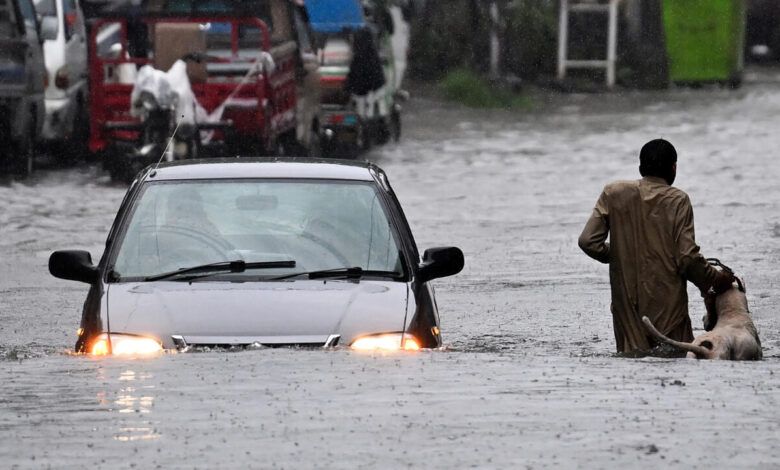
In the wake of heavy downpours this week, parts of Lagos have already experienced severe flooding, with marathon rains from Sunday night to Monday causing extensive damage. Videos shared on social media showed entire neighborhoods submerged, with homes and vehicles partially or completely inundated. Streets turned into rivers, and drainage systems struggled to cope with the volume of water, disrupting daily life and economic activities.
Despite the devastation, Wahab reassured residents, stating that the state government was taking action to minimize the damage. Efforts have been ramped up to clear blocked drainage systems and expand flood channels to manage the water flow more effectively.
With the flood risk continuing to grow, authorities are urging Nigerians to remain vigilant, and those in vulnerable areas to take necessary precautions to protect themselves and their properties.


