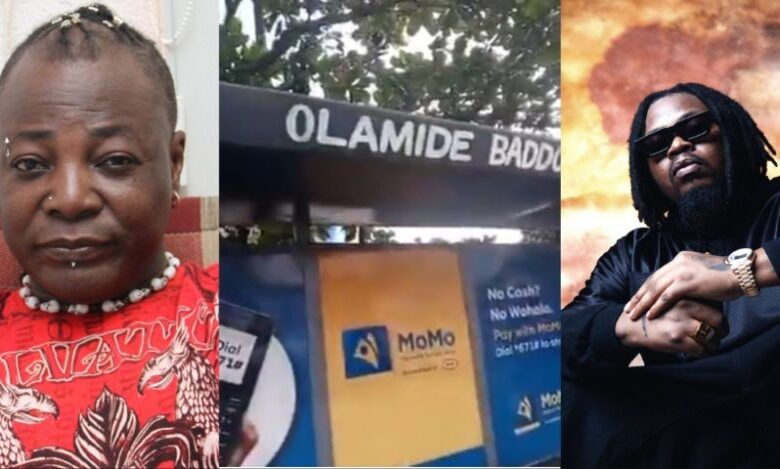
Veteran entertainer and activist Charles Oputa, popularly known as Charly Boy or Area Fada, has strongly condemned the decision by the Bariga Local Council Development Area (LCDA) to rename the popular “Charly Boy Bus Stop” in Gbagada, Lagos, to “Baddo Bus Stop.”
The renaming, announced on Friday by LCDA Chairman Kolade David, is part of a wider street rebranding initiative aimed at honouring Nigerian personalities—artists, politicians, and public figures—who have contributed to national pride and international recognition.
But Charly Boy, a cultural icon known for his rebellious activism and alternative artistry, isn’t having it.
Taking to his X (formerly Twitter) handle, the 73-year-old icon fired back at the move, calling it an attempt to erase his legacy, which he insists remains untouchable.
“You can rename a place, but you can’t rename a legacy,” he wrote.
In a series of impassioned posts, the Area Fada suggested that the decision was politically motivated and rooted in discomfort over his lifelong refusal to bow to oppressive systems.
“This is not just about a bus stop. This is about fear. Fear of a boy who refused to bow. Fear of a man who challenged the oppressors. Fear of a man who didn’t beg the system to be accepted,” he said.
“So what do timid people do? They change the name like e go wash away their shame.”
Charly Boy further argued that the naming of the bus stop wasn’t a political favour, but a grassroots recognition of his influence by local residents who had long referred to the area by his name due to his impact and visibility within the community.
“That bus stop was named by the people, not the government. It was organic. You can’t rewrite history with paint and signboards,” he added.
The announcement has stirred backlash online, with fans and critics alike questioning the motives behind the name change and expressing solidarity with Charly Boy, who has spent decades advocating for social justice, youth empowerment, and political accountability.
As the controversy continues to trend on social media, neither the LCDA nor the Lagos State Government has issued a follow-up response to the growing criticism.