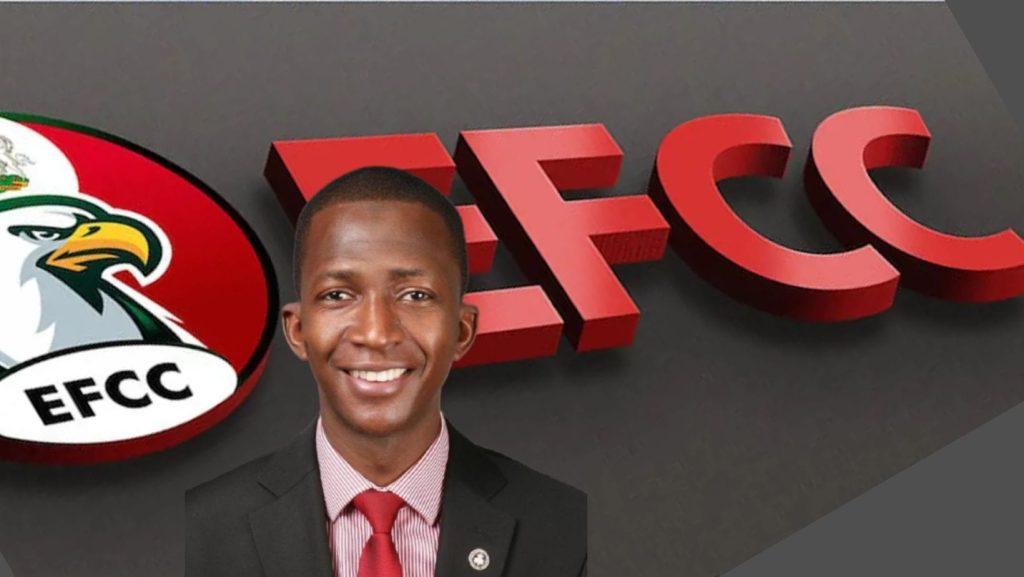
Former chairman of Nigeria’s Economic and Financial Crimes Commission (EFCC), Abdulrasheed Bawa has lifted the veil on the extensive corruption that has long plagued the nation’s fuel subsidy programme.
In his compelling new book, The Shadow of Loot & Losses: Uncovering Nigeria’s Petroleum Subsidy Fraud, Bawa unveils a deeply entrenched web of financial deceit that siphoned billions of naira from public coffers under the guise of subsidy payments.
Drawing on his pivotal role as a lead investigator in the EFCC’s high-profile probe into the 2012 subsidy scandal, Bawa reveals the sophisticated and audacious methods employed by corrupt actors.
His detailed account exposes how fraudsters manipulated the system through ghost imports—claiming subsidies on fuel that never entered the country—and inflated shipment volumes to secure excessive payments.
Bawa further exposes the manipulation of shipping documents, where fraudsters exploited fluctuating global oil prices by falsifying bills of lading to claim unjustifiably high subsidies.
The book also uncovers other deceitful tactics including round-tripping, double-claiming, fuel diversion, and smuggling of subsidized petroleum products into illicit markets.
“These schemes thrived on forged documents, weak regulatory oversight, and collusion between corrupt government officials and private sector accomplices,” Bawa asserts.
Serving as EFCC chairman from 2021 to 2023, Bawa’s exposé is not just an indictment of widespread corruption but a clarion call for transparency, accountability, and urgent reforms within Nigeria’s oil sector and public finance management.
The fuel subsidy saga has long been a contentious issue in Nigeria’s political landscape. In 2012, the administration of then-President Goodluck Jonathan faced mass protests—dubbed the Occupy Nigeria movement—after announcing plans to remove fuel subsidies. That year alone, the government paid out a staggering ₦259 billion in subsidy claims.
In May 2023, President Bola Tinubu formally ended fuel subsidies, framing the move as essential for the nation’s economic future. At the March 2025 inauguration of the National Youth Conference Planning Committee, Tinubu underscored that the decision was made to safeguard the interests of Nigerian youths.
“Every decision I make is about you — it’s about securing your future. Removing the fuel subsidy was a necessary step to clear the path for your prosperity,” Tinubu declared, according to a statement from his spokesperson, Bayo Onanuga.
Bawa’s book arrives at a critical juncture, offering a rare insider’s view into the mechanics of one of Nigeria’s most damaging scandals and reinforcing the urgent need for meaningful reform to restore integrity and trust in the country’s petroleum industry.