Members of the World Health Organization (WHO) has adopted a landmark agreement aimed at strengthening global preparedness for future pandemics, following widespread criticism of the fragmented international response to COVID-19.
However, the absence of the United States formerly the WHO’s largest donor has raised questions about the treaty’s overall effectiveness.
The legally binding pact, three years in the making, was formally adopted by the World Health Assembly in Geneva, drawing applause from participating nations. The agreement is seen as a major step forward for the global health body, which has faced significant challenges in recent years, including deep funding cuts from the U.S.
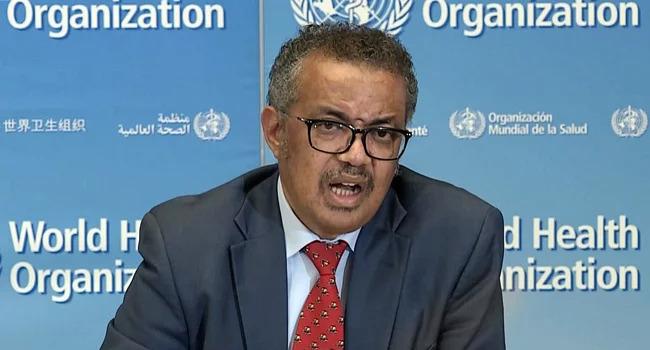
“This agreement is a win for public health, science, and multilateral cooperation,” said WHO Director-General Dr. Tedros Adhanom Ghebreyesus. “It ensures that we are better equipped to collectively protect the world from future pandemic threats.”
The pact includes provisions to make life-saving tools such as vaccines, medicines, and diagnostic tests more accessible during pandemics. Under the agreement, pharmaceutical manufacturers are expected to allocate at least 20% of their pandemic-related supplies to the WHO, to help ensure equitable distribution to low- and middle-income countries.
Despite the progress, the effectiveness of the agreement has been called into question due to the withdrawal of the U.S. from the negotiations. President Donald Trump initiated a formal 12-month process to pull the U.S. out of the WHO after taking office in January, effectively removing the country from participation in the accord. This means the U.S., which invested billions in COVID-19 vaccine development, will not be legally obligated to abide by the terms of the new treaty.
Moreover, the pact does not impose enforcement mechanisms or penalties for countries that fail to comply, leading some experts to caution that its impact could be limited without stronger accountability measures.