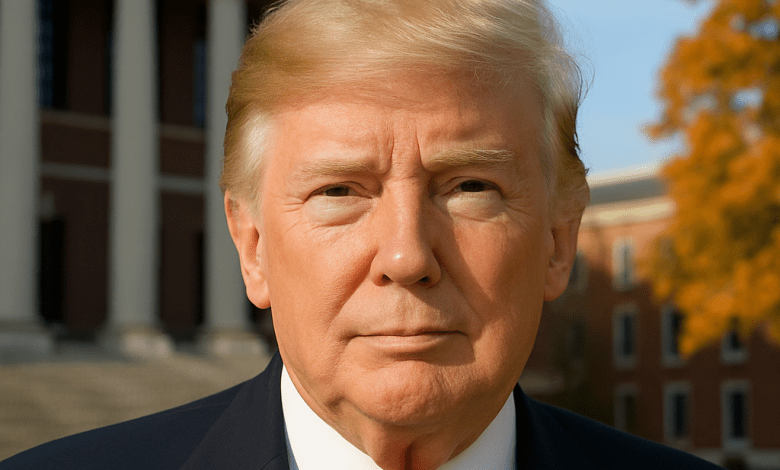
U.S. media stocks tumbled Monday after former President Donald Trump announced plans to impose a 100% tariff on all movies produced outside the United States, a move that could disrupt Hollywood’s global production model and reshape the entertainment industry.
The surprise announcement offered few specifics, leaving industry players uncertain about the scope of the tariffs. It remains unclear whether the levies will apply to films streamed online, those released theatrically, or how they would be calculated based on production budgets, revenue, or another metric.
The U.S. film and television industry is a significant exporter, generating $22.6 billion in overseas revenue and maintaining a $15.3 billion trade surplus in 2023, according to the American Motion Picture and Television Industry.
Market reaction was swift. Netflix shares fell 4.9% in premarket trading, leading a broader slump in media stocks. Analysts warned that Netflix could be particularly exposed due to its heavy reliance on international production hubs.
A recent ProdPro survey of studio executives revealed that the top five preferred filming locations for 2025–2026 are all outside the U.S., reflecting long-standing trends driven by lower costs and tax incentives abroad.
Despite Los Angeles’s iconic status in global cinema, not a single one of this year’s 10 Oscar contenders for Best Picture was filmed in the city. Studios have increasingly shifted work overseas, with principal photography in Europe, post-production in Canada, and visual effects handled in Southeast Asia.
Forcing production back onto U.S. soil would drive up costs across the board, warn industry experts, as it would dismantle the global production pipeline Hollywood has come to depend on.
Shares of Disney, Warner Bros. Discovery, and Universal parent Comcast also fell, dropping between 0.8% and 2.7%.
The entertainment industry now waits for further clarification from Trump’s camp, as it assesses whether this policy shift is a negotiating tactic or the start of a major realignment in global film economics.