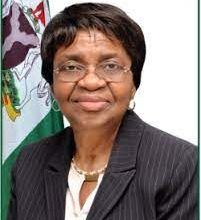
The Director-General of the Raw Materials Research and Development Council (RMRDC), Nnanyelugo Ike-Muonso, has highlighted that the proposed 30 per cent Value Addition Mandate Bill currently before the National Assembly has the potential to increase Nigeria’s Gross Domestic Product (GDP) by 12 per cent within just 12 months of full implementation.
Ike-Muonso shared these insights during a pre-event press briefing ahead of the Africa Raw Materials Summit 2025, which will be held in Abuja from May 20–22. The bill, which is sponsored by the council, aims to mandate a minimum of 30 per cent local processing of all raw materials before export.
While the bill has sparked controversy, particularly from the Centre for the Promotion of Private Enterprise, which argues that it could have negative effects on Nigerian exporters and manufacturers, Ike-Muonso defended the proposal. He explained that the law is designed to solve structural issues in Nigeria’s economy, particularly in reducing illicit financial flows, especially in the solid minerals and agricultural sectors.
“This law is expected to shift the direction of financial flows from illicit to legitimate industrial investments,” Ike-Muonso said, emphasizing that raw materials are often exported without value addition, contributing to illegal activities.
He further explained that the bill would have far-reaching economic and security benefits. By enforcing local beneficiation of raw materials, Nigeria would not only see a significant GDP growth but would also address national security concerns. “When capital is directed toward legal processing industries, it reduces the financial power of those fueling insecurity through illegal extractive activities,” he stated.
Ike-Muonso projected that if the bill were effectively implemented, Nigeria could experience no less than a 12 per cent increase in GDP within one year. This would be a direct result of moving away from the export of raw materials to focusing on industrial processing, which would lead to job creation, revenue generation, and foreign exchange stability.
The proposed bill would also strengthen institutions, improve border enforcement against smuggling of high-value minerals, and increase awareness among law enforcement and regulatory agencies regarding the value of resources.
In discussing the upcoming Africa Raw Materials Summit, Ike-Muonso noted that Africa, despite holding over 30 per cent of the world’s strategic raw materials, continues to remain at the lower end of global value chains due to its export of unprocessed resources. He argued that this economic model is unsustainable and that the summit would be a pivotal moment for the continent to mobilize support for adding value to its resources, deepen intra-African trade, and foster public-private partnerships for long-term transformation.
Ike-Muonso emphasized that the summit’s theme, “Shaping the Future of Africa’s Resource Landscape,” will serve as a platform to encourage Africa to industrialize and take control of the value chain. He added that over 1,000 high-level delegates, including ministers from Ghana, South Africa, and representatives from development banks and regional agencies, are expected to attend the event.
“We’re not just lobbying for change we’re legislating it,” Ike-Muonso concluded, signaling that the council is committed to ensuring the impact of this initiative through legislative action rather than just policy advocacy.