Vaccine progress in low-income countries at risk as WHO, UNICEF raise funding concerns

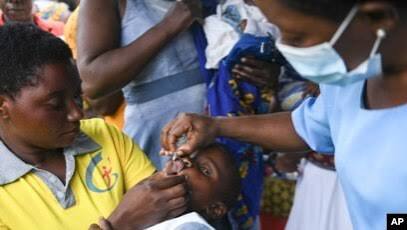
Millions of children in lower-income countries could face renewed health risks as funding gaps threaten to slow down progress in routine immunisation, the World Health Organisation and the United Nations Children’s Fund have warned.
The warning is contained in the latest WHO and UNICEF Estimates of National Immunisation Coverage, analysed by Gavi, the Vaccine Alliance.
The report showed that lower-income countries achieved record vaccination coverage in 2025, with 73 million children receiving Gavi-supported vaccines, the highest figure ever recorded.
It noted that three-quarters of countries maintained or improved coverage with the third dose of the diphtheria, tetanus and pertussis vaccine, DTP3, marking the highest level in more than two decades. However, the report raised concerns over measles immunity gaps, with about 15.6 million children in Gavi-supported countries missing their first measles vaccine dose in 2025.
It warned that reduced funding could affect critical programmes, including malaria vaccination, new vaccine introductions, preventive campaigns and global vaccine stockpiles.
The report also highlighted challenges such as economic pressures, geopolitical instability, disease outbreaks, rising birth rates and vaccine hesitancy. Although the number of zero-dose children declined, about 9.5 million children in lower-income countries still received no vaccines.
Gavi Chief Executive Officer, Sania Nishtar, said the record immunisation figures demonstrate the impact of global cooperation but stressed that continued investment will be needed to protect the gains.
She called for increased domestic financing and sustained donor support to ensure more children, especially those in underserved communities, have access to life-saving vaccines.