South Africa Seeks Reimbursement From Nigeria, Others for Migrant Repatriation Costs

South Africa has begun seeking financial reimbursement from Nigeria and other African countries for the costs incurred in repatriating and deporting tens of thousands of their nationals amid an intensifying crackdown on undocumented migration.
The South African Department of Home Affairs told lawmakers that the government has spent nearly $18 million on transportation, temporary accommodation, repatriation centres and additional staffing linked to the large-scale movement of foreign nationals back to their home countries.
Officials said South Africa’s foreign ministry has formally written to the governments of Nigeria, Malawi and Ethiopia, requesting that they reimburse some of the expenses associated with returning their citizens.
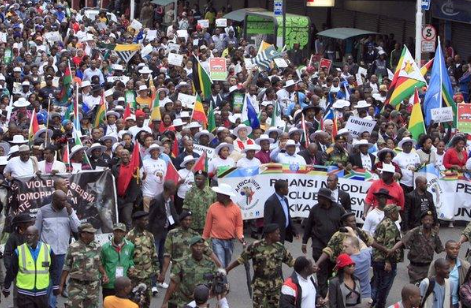
The development comes as South Africa grapples with a sharp increase in repatriations and deportations following growing anti-immigration protests and tensions over undocumented foreigners. The government has described the scale of the recent operations as unprecedented.
South African authorities say 82,875 foreign nationals have either been voluntarily repatriated or deported since the latest migration tensions intensified. However, figures compiled by migrants’ home governments indicate that the number of people who have left the country could be significantly higher, at approximately 178,000.
The difference in the figures reflects the fact that the departures include both formal deportations and voluntary or assisted repatriations organised by governments and other agencies.
South Africa’s crackdown has also placed additional financial pressure on municipalities and government departments involved in the repatriation exercise. Some have reportedly sought reimbursement from the Home Affairs Department because the unexpected expenses were not included in their original budgets.
The government’s wider immigration enforcement campaign has resulted in thousands of arrests and deportations. Between April and July, 16,078 foreign nationals, predominantly from Lesotho, Malawi, Tanzania, Zimbabwe and Mozambique, were deported through the Lindela Repatriation Centre. South African authorities have also reported tens of thousands of arrests linked to undocumented migration.
South Africa has previously provided financial and logistical assistance for repatriations. Government records show that assisted repatriation operations have included transportation, security and temporary accommodation, with thousands of foreign nationals processed through temporary repatriation facilities.
The latest move is likely to add another layer to already strained relations between South Africa and several African countries. Governments and civil society groups have raised concerns over attacks and hostility directed at foreign nationals, while Pretoria has maintained that its immigration enforcement programme is aimed at upholding its laws rather than targeting particular nationalities.
Nigeria, for its part, has previously indicated that it would seek compensation from South Africa over losses suffered by Nigerians who left the country amid the recent anti-immigrant tensions, including abandoned businesses and properties.
The competing compensation demands highlight the growing diplomatic and financial consequences of South Africa’s migration crisis, as governments across the continent grapple with the fallout from mass departures, undocumented migration and renewed concerns over xenophobia.
With enforcement operations expected to continue, the question of who should bear the financial burden of repatriation—and responsibility for protecting foreign nationals—could become an increasingly contentious issue between South Africa and its African neighbours.