ASWHAN Urges Borno Government to Expand HIV Prevention and Harm Reduction Services

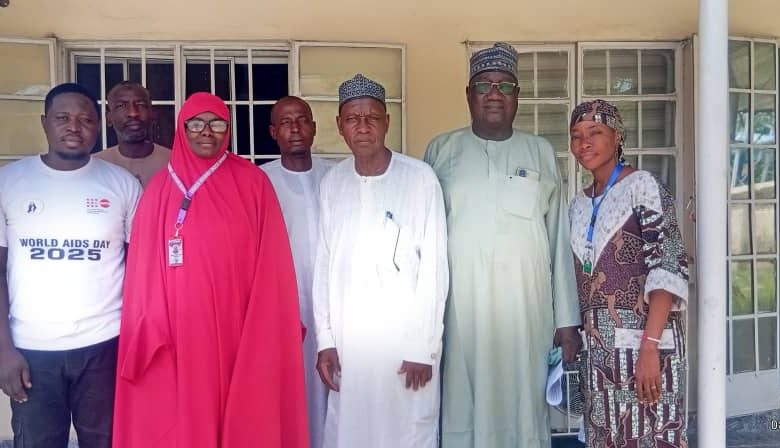
The Association of Women Living with HIV and AIDS in Nigeria (ASWHAN), Borno State Chapter, has appealed to authorities to strengthen HIV prevention and harm reduction services across the state, citing persistent challenges affecting access to critical healthcare interventions.
The call was made during an advocacy visit to the Borno State Agency for the Control of HIV/AIDS and Malaria in Maiduguri, where the group engaged officials on gaps in service delivery for vulnerable populations.
Speaking during the visit, ASWHAN Executive Director, Fusam Baba, said the engagement was aimed at drawing attention to barriers preventing many residents from accessing HIV prevention and harm reduction services.
According to her, a recent assessment conducted by the organisation revealed significant concerns regarding service availability. She disclosed that 25 of the 28 participants surveyed reported that HIV prevention and harm reduction programmes remain insufficient and difficult to access in many communities across Borno State.
Baba noted that respondents also highlighted the inadequate supply of sterile needles and syringes, a situation she said has forced some individuals to share injecting equipment.
She warned that the practice increases the risk of transmitting HIV as well as other blood-borne infections, including Hepatitis B and Hepatitis C.
The ASWHAN executive director stressed the need for targeted interventions to bridge existing gaps, emphasizing that wider access to prevention tools and healthcare services is crucial to reducing new infections and safeguarding public health.
She urged BOSACAM to improve the availability of harm reduction services, expand HIV prevention programmes, and intensify community sensitisation efforts to encourage greater uptake of HIV-related services.
Baba also expressed confidence that stronger partnerships among government agencies, development organisations, and community-based groups would enhance the state’s response to HIV/AIDS and improve health outcomes for vulnerable populations.
The advocacy visit forms part of ASWHAN’s broader efforts to promote the health, rights, and welfare of people living with HIV and other at-risk groups in Borno State.